
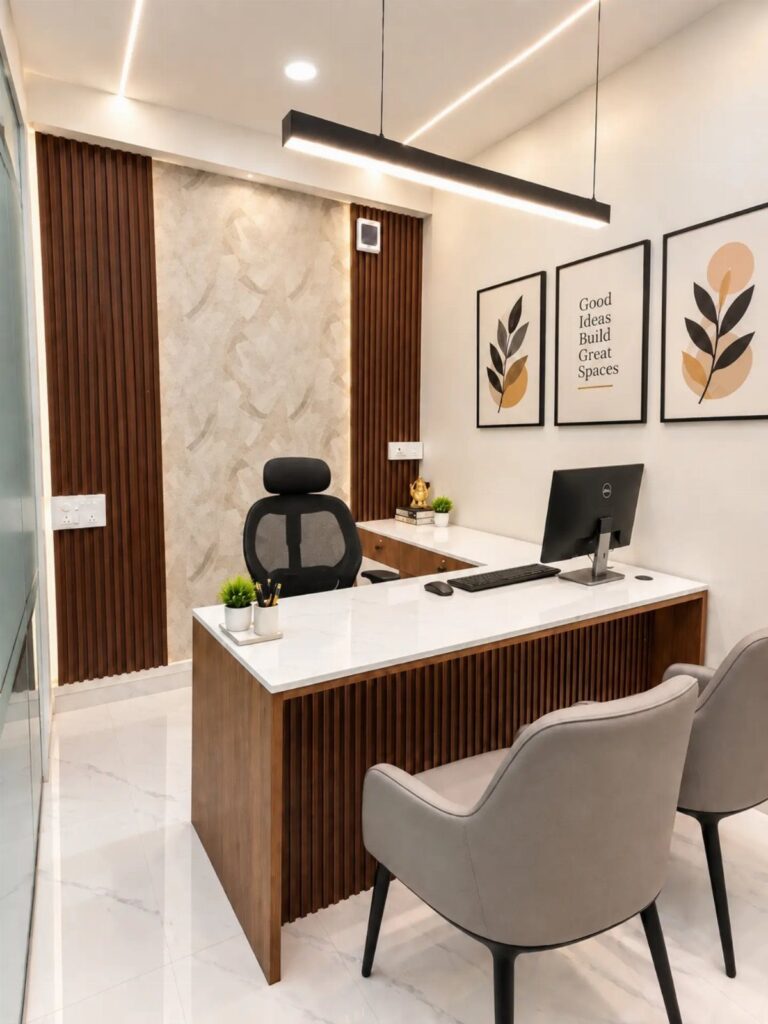
A fold-down desk opens flat when you need a full work surface and snaps back against the wall to return floor space the rest of the day.
Your setup depends on whether you need the desk every day or the room has to switch back to another purpose after hours.
A desk placed perpendicular to your window cuts glare on your screen during the middle of the day, and under-desk cable units or adhesive clips keep power cords and monitor cables off the surface.
1. Plants
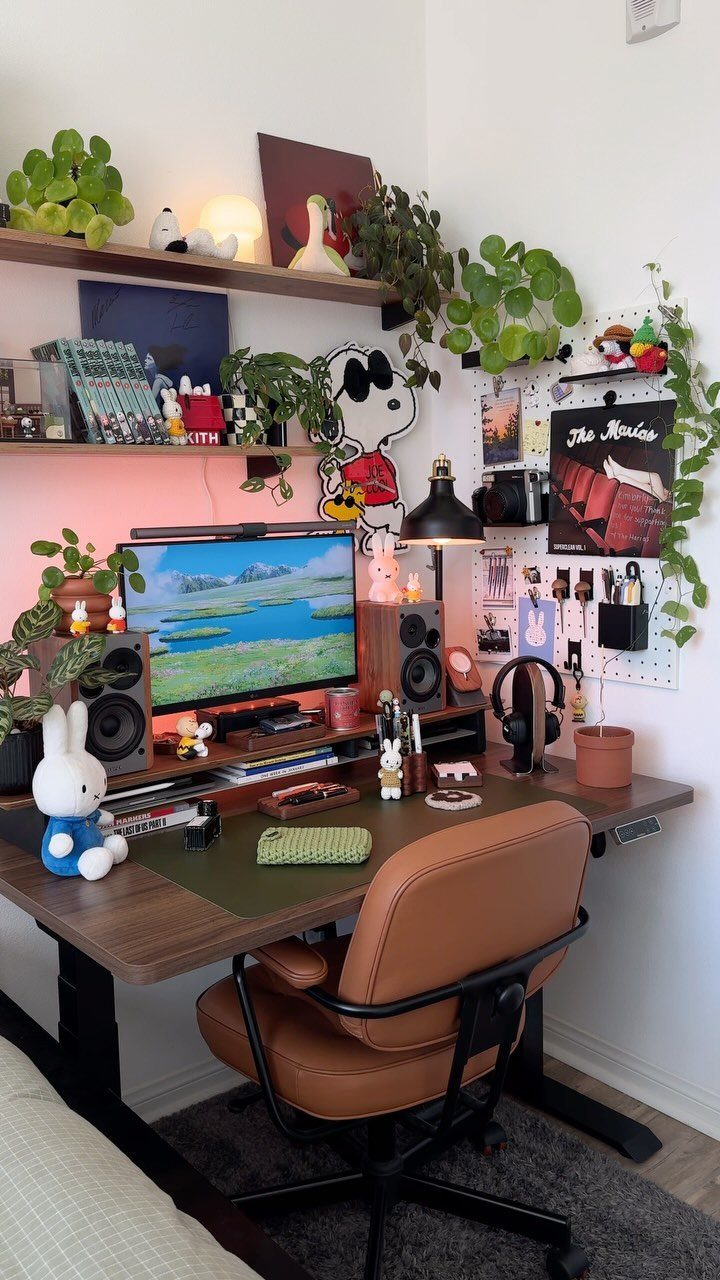
Plants pull double duty on a desk: they soften hard edges and clean the air while you work. A few small pots scattered across shelves and surfaces give you something alive to look at without eating into your square footage.
Pick low-maintenance varieties if you’re new to this.
Pothos, snake plants and ZZ plants tolerate neglect and low light better than most. Keep them in simple pots that match your desk setup, and water them once a week or when the soil feels dry an inch down.
2. Under-Desk Units
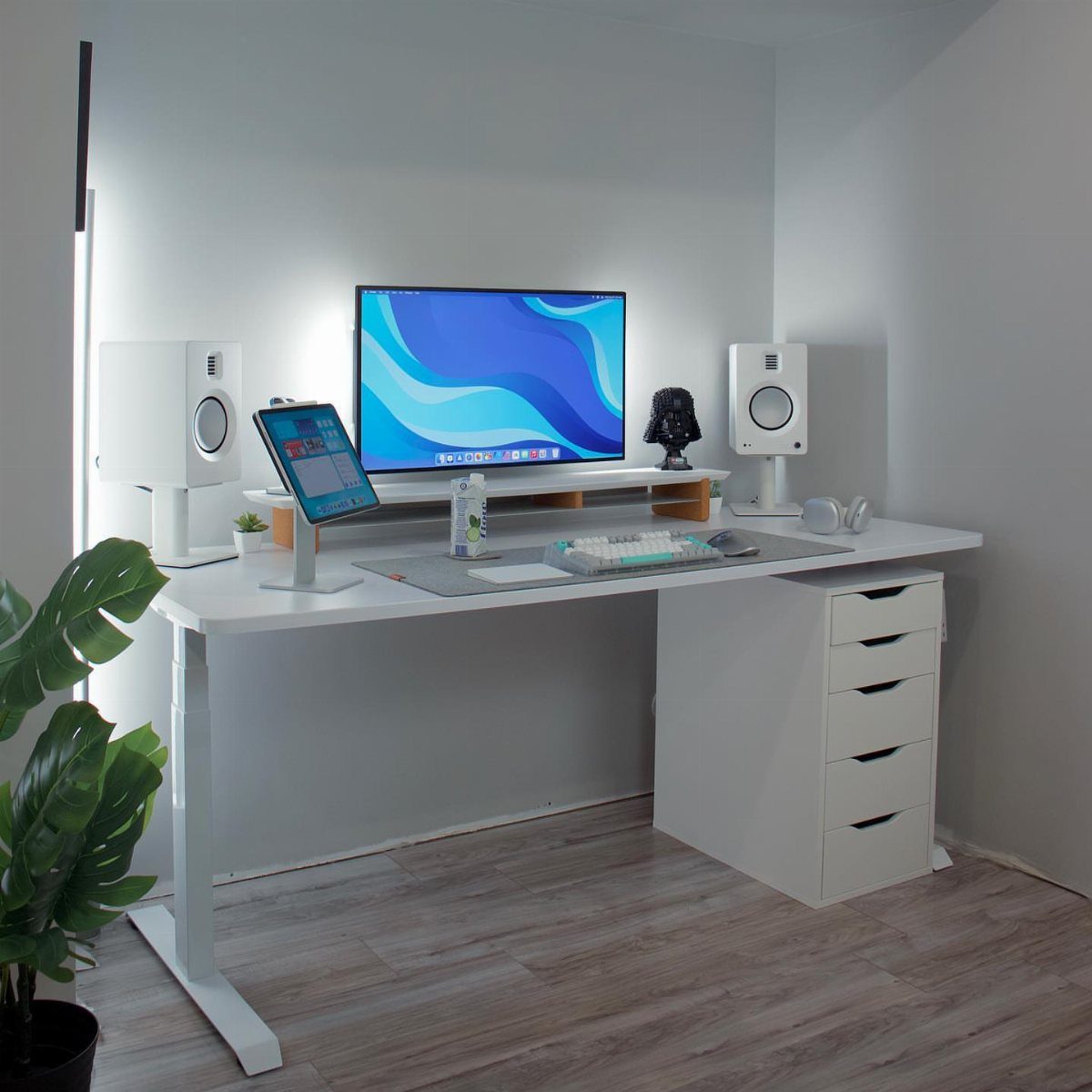
An under-desk drawer unit keeps files and supplies within arm’s reach without cluttering your desktop. Roll it under the desk when you’re working, pull it out when you need something inside.
Look for one that matches your desk height so the top surface stays level with your work area.
Metal units hold more weight if you’re storing books or binders, but particle board works fine for paper and office supplies. Most units come with 2 or 3 drawers and fit beside a desk leg without crowding the floor.
3. Pop-Up Desk
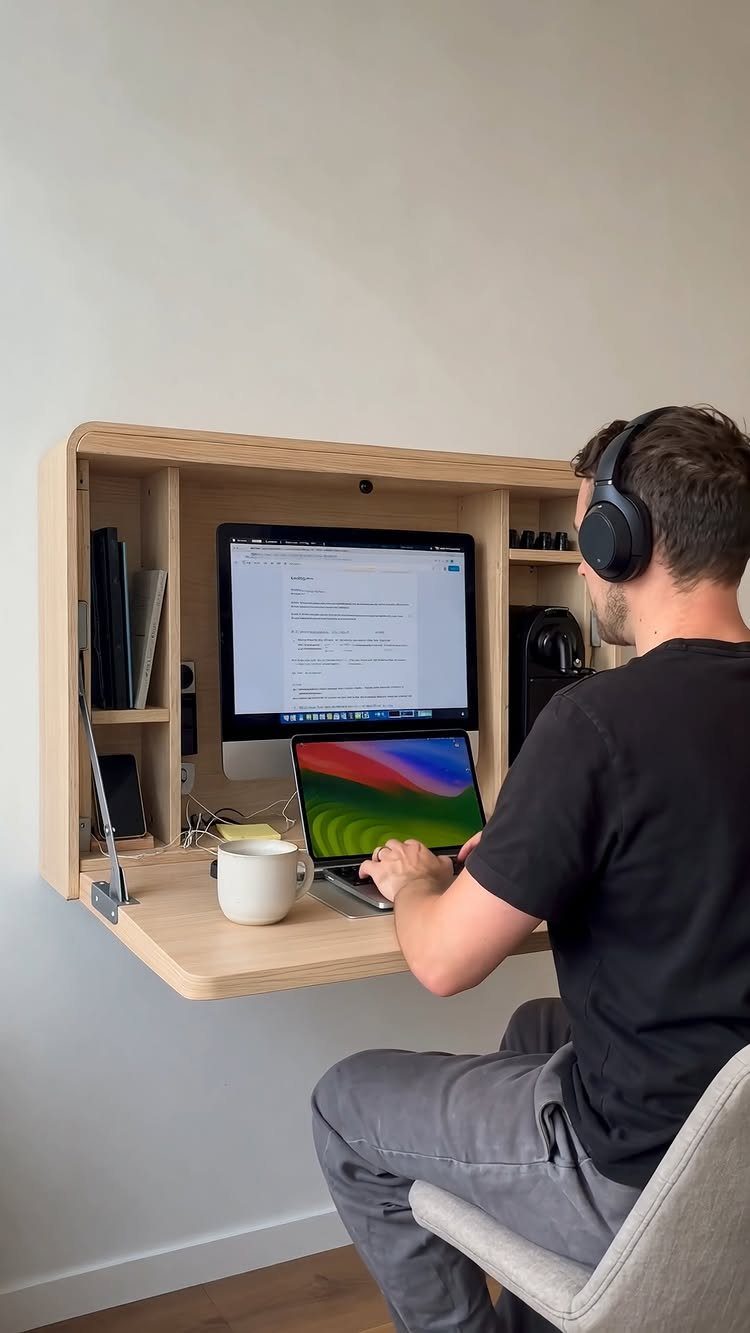
A wall-mounted fold-down desk turns any blank wall into a workspace, then disappears when you close it. You get a full desk surface when you need it and your floor space back when you don’t.
Mount it at standard desk height. Most fold-up desks include a locking hinge that holds the surface flat while you work and a simple latch to secure it against the wall when folded.
Light wood or white finishes keep the profile low even when it’s closed. This setup works best for laptop work or light tasks; the fold-down mechanism isn’t built to hold a heavy desktop tower or dual monitors.
4. Desk Near Windows
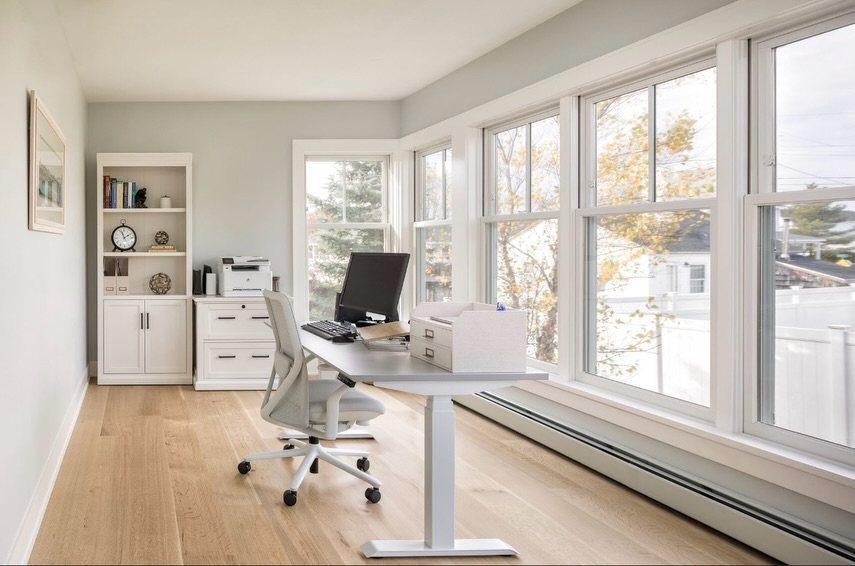
Positioning a desk near a window gives you natural light for most of the day, which cuts down on eye strain and keeps your energy up through long stretches of screen time.
You also get a view that isn’t a wall, which matters more than it sounds like when you’re home all day.
Face the desk toward the window or place it perpendicular so light comes in from the side.
Avoid sitting with your back to the window if you take video calls; backlighting will turn you into a silhouette on camera. If glare hits your screen, a sheer curtain diffuses it without blocking all the light.
5. Calming Colors
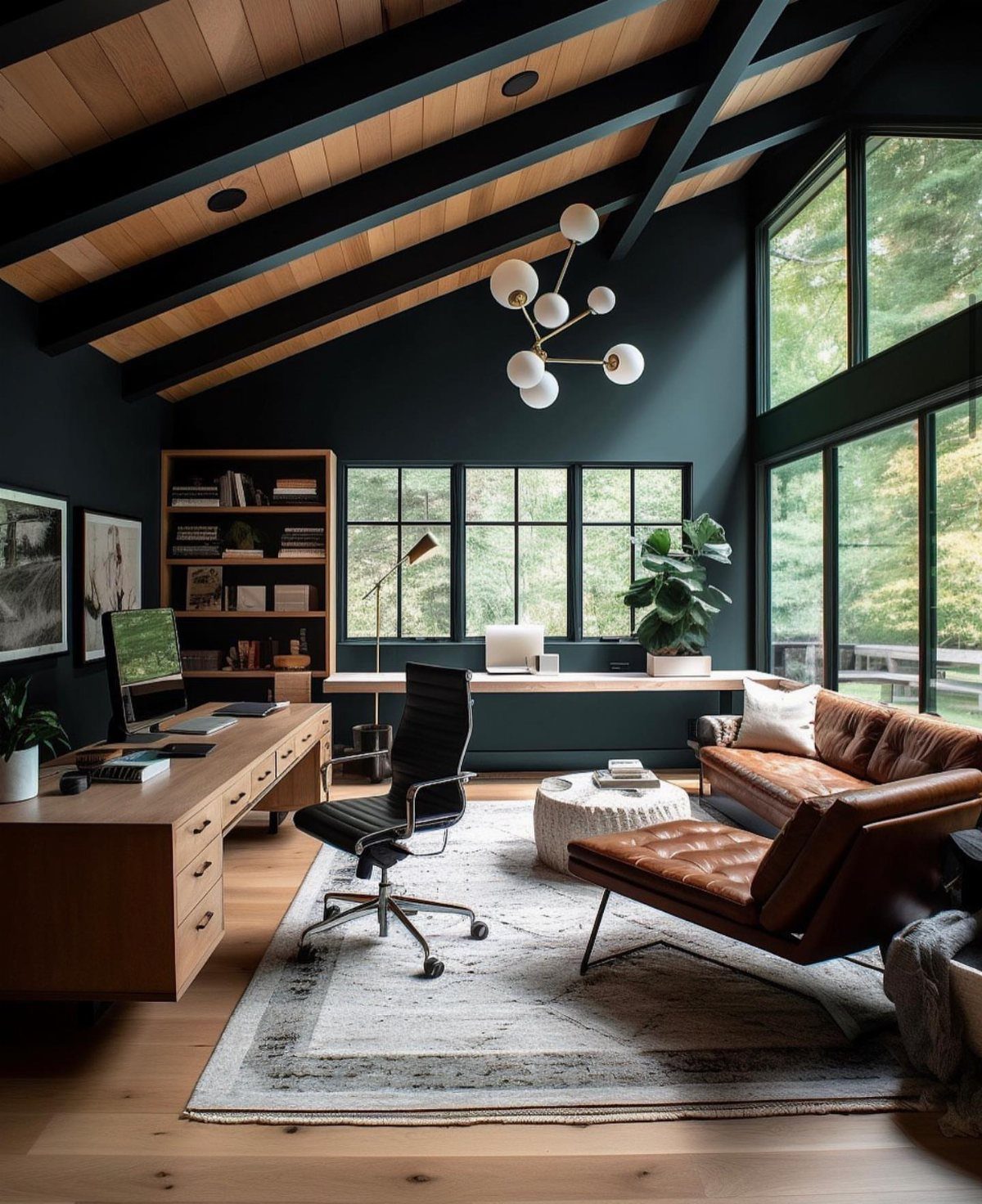
Color sets the mood in a small office faster than furniture does. Deep greens and teals read calm without feeling cold, and they hold up better over time than trendy pastels that look dated in a year.
Warm wood tones balance the cool wall color and keep the room from feeling too serious.
Paint one accent wall if you’re hesitant to commit, or go all in if the room is yours alone.
Pair dark walls with light furniture and a pale rug so the space doesn’t close in. Black beams or trim add structure without adding more color.
6. Lighting Fixtures
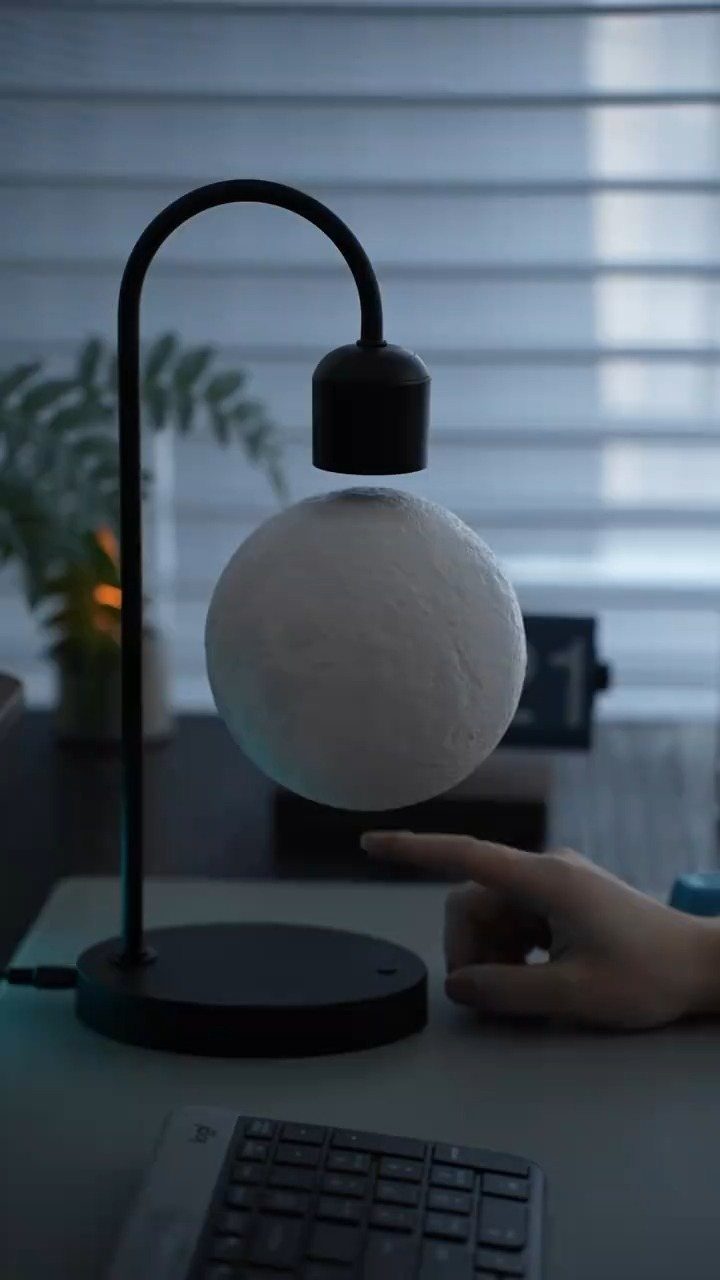
A sculptural desk lamp gives you focused light exactly where you need it and becomes the room’s focal point when it’s turned on.
Magnetic levitating lamps, adjustable arms and Edison bulb fixtures all sit on a small footprint but deliver enough presence to anchor a desk setup.
Put task lighting on the side opposite your dominant hand to avoid casting shadows across your work.
Warm white bulbs around 2700K keep the space comfortable for long hours, while daylight bulbs over 5000K work better if you’re matching colors or doing detailed visual work. Dimmers let you adjust brightness as natural light changes through the day.
7. Tech Setup
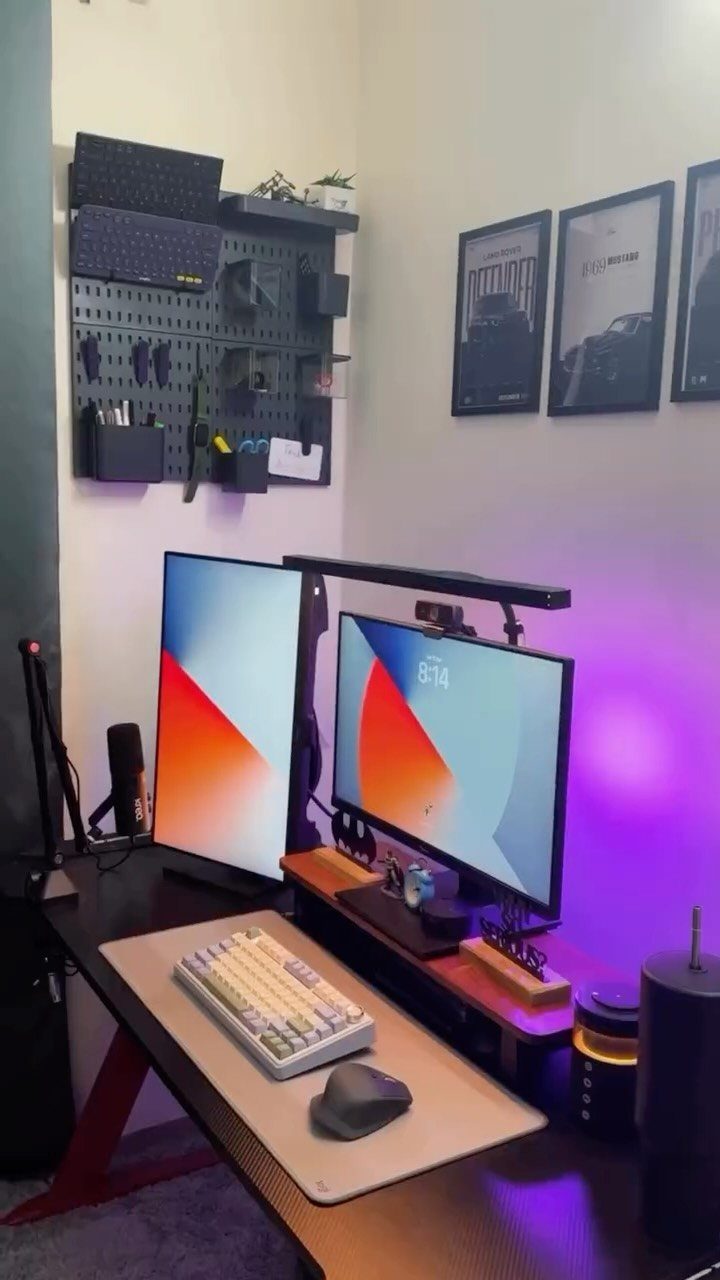
Cable management turns a functional desk into one that looks intentional. Route monitor cables, keyboard cord and power supplies through clips or a sleeve so nothing drapes across your work surface.
A pegboard mounted behind the desk holds tools, spare cables and peripherals you don’t use daily, keeping the desktop clear for the gear you actually touch.
Mount monitors at eye level so you’re not looking down all day. If you’re running dual screens, angle them slightly toward your chair so you don’t twist your neck to see the edges.
8. Adjustable Desk
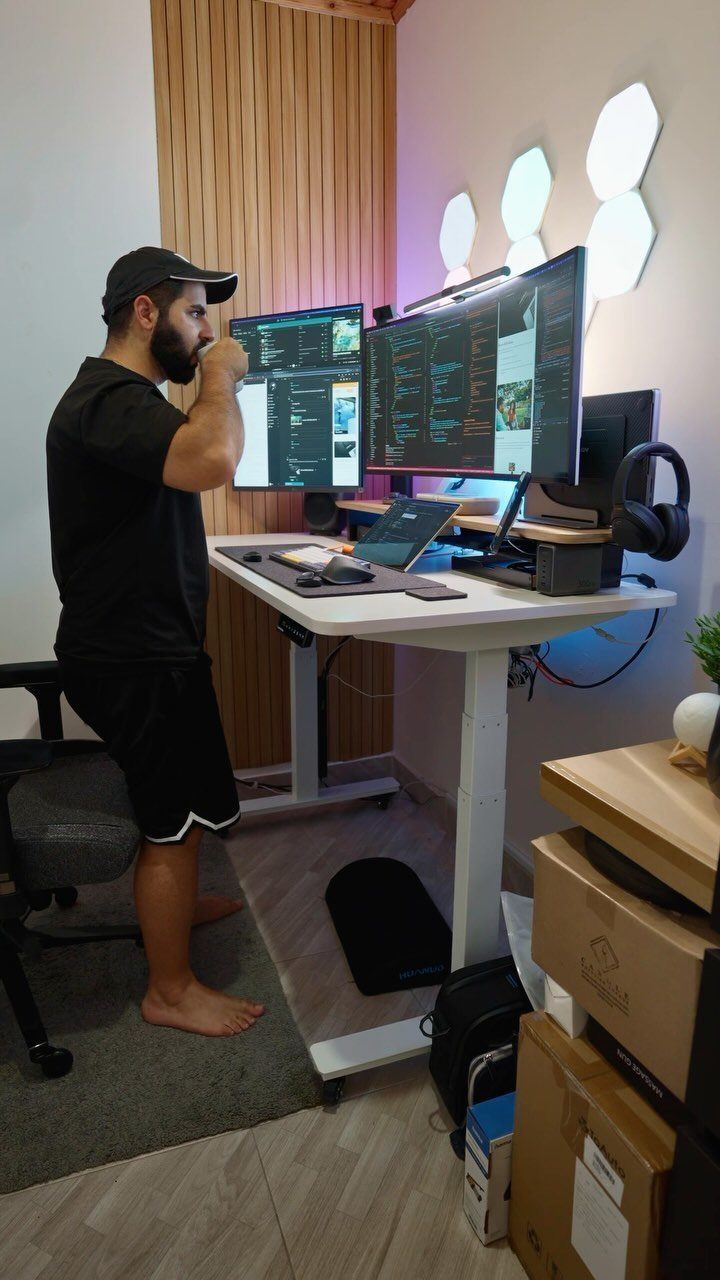
An adjustable desk lets you switch between sitting and standing without rearranging your entire setup.
Most electric models move from seated height to standing height with a button press, so your monitors, keyboard and everything else stays in place while the surface rises.
Standing for part of the day reduces the back strain that comes with sitting in one position for hours. Alternate every hour or two instead of committing to one height all day.
9. Mood Board
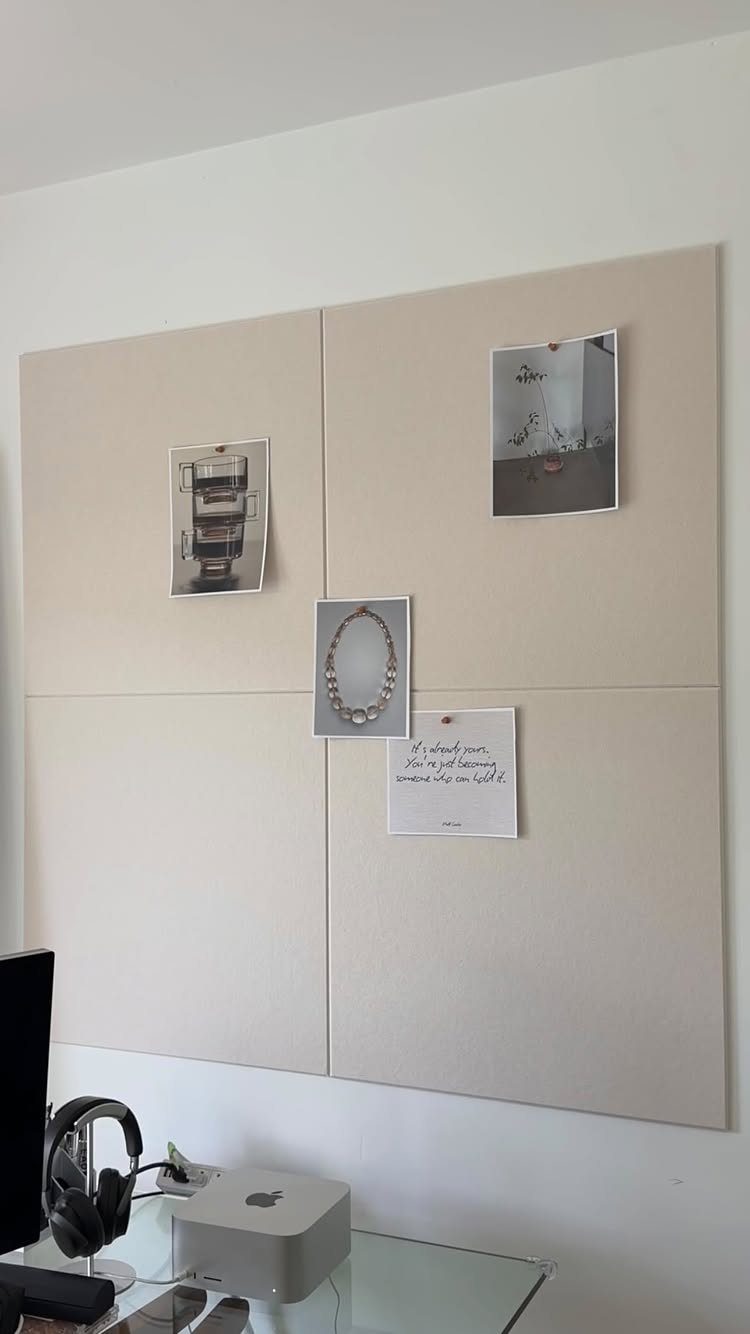
A fabric-covered board gives you a place to pin project ideas, reference images and notes without putting holes in the wall. Tack up anything that keeps your current work moving forward, then swap it out when the project changes.
Cork and fabric boards both work, but fabric takes pins more cleanly and looks less utilitarian when it’s hung above your desk.
Keep the surface clear enough that you can still see each item instead of layering everything into a collage.
10. Removable Wallpaper
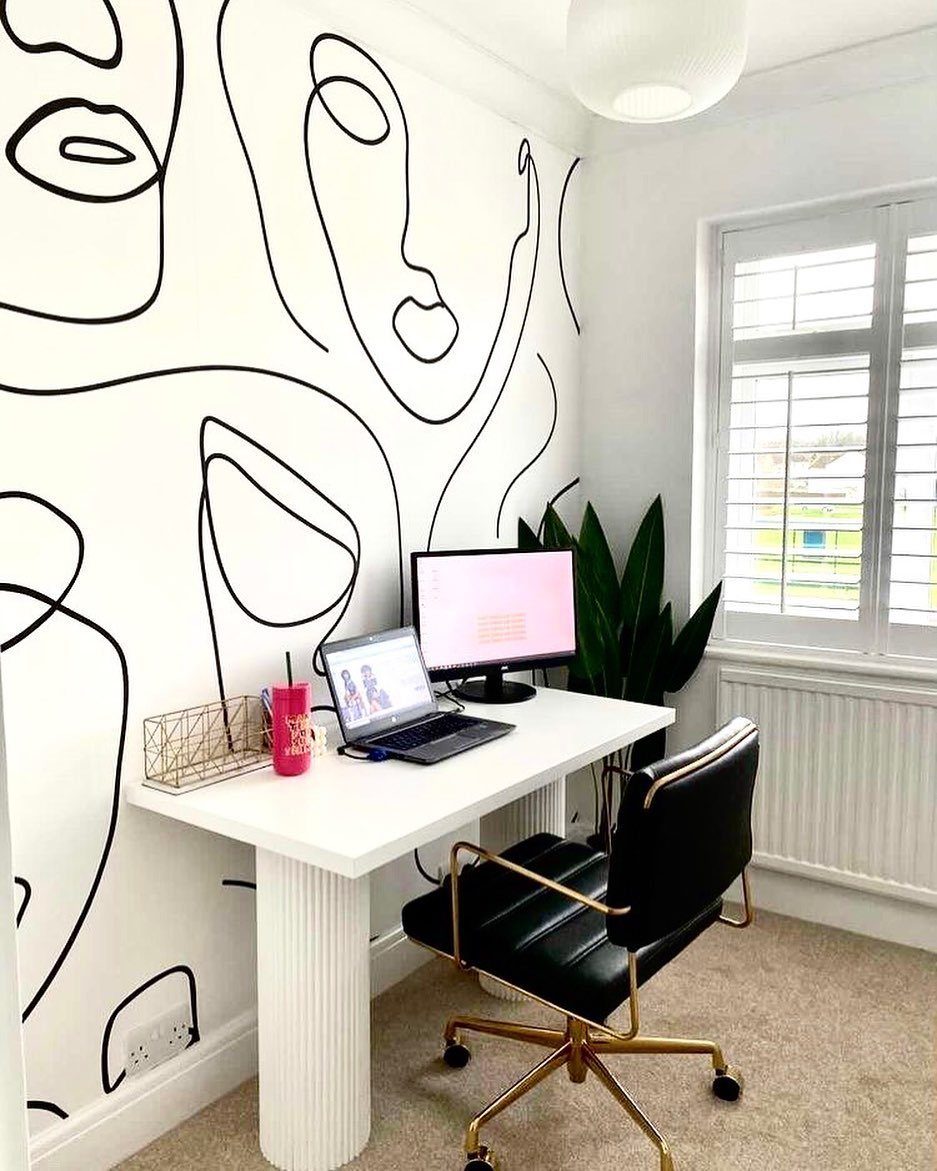
Removable wallpaper adds pattern to a rental or a room you don’t want to commit to permanently.
Peel-and-stick panels go up in an afternoon and come off without damaging the paint underneath, so you can change the look whenever the current pattern stops working for you.
Graphic prints like line drawings or geometric patterns read strong without overwhelming a small office.
Keep furniture simple when the wall is doing the work. Measure carefully before you order; most panels come in standard widths, and you’ll need enough to cover the wall without visible seams running through the middle of the design.
11. Aromatherapy
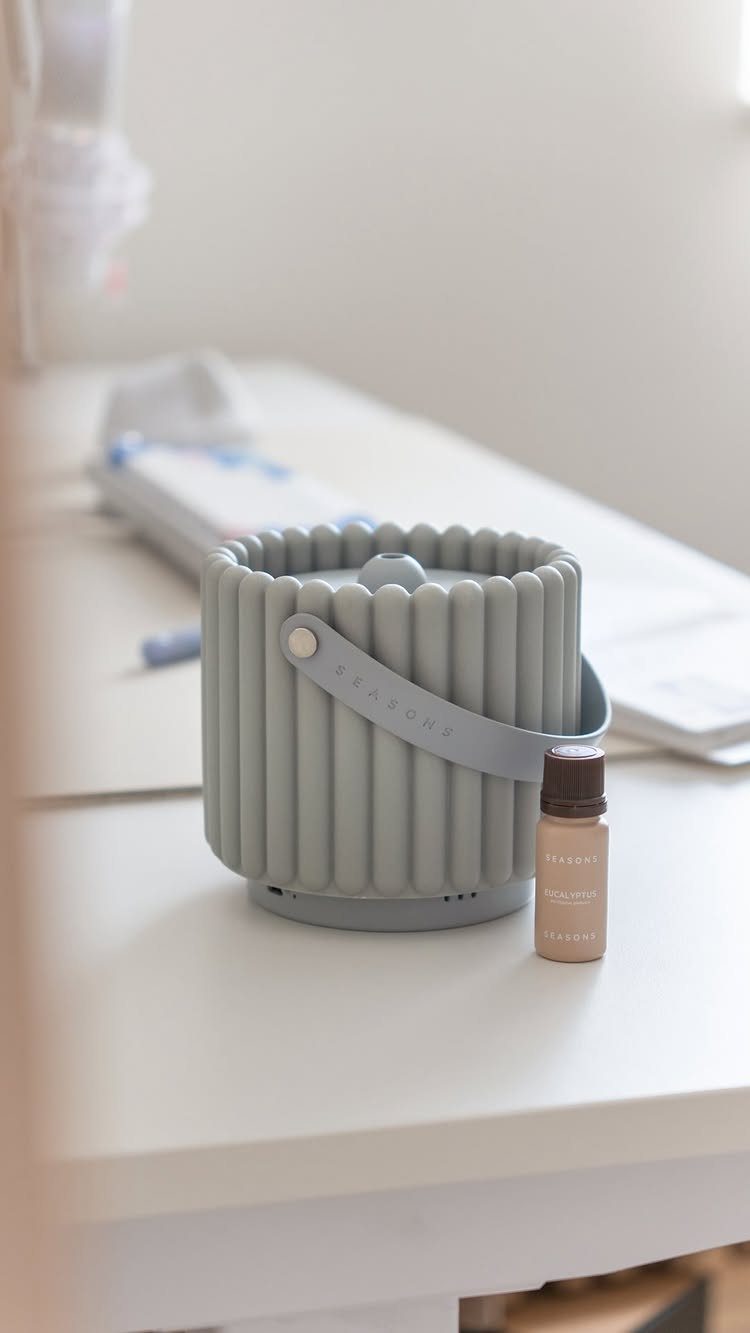
A diffuser adds scent to a small office without the smoke or flame of a candle. Fill it with eucalyptus or peppermint oil when you need to stay alert, lavender when you’re winding down at the end of the day.
Run it for a stretch at a time instead of leaving it on all day. Continuous scent fades into the background and stops registering after a while, but short bursts keep the air noticeable without feeling heavy.
12. Modern Minimalist Home Office
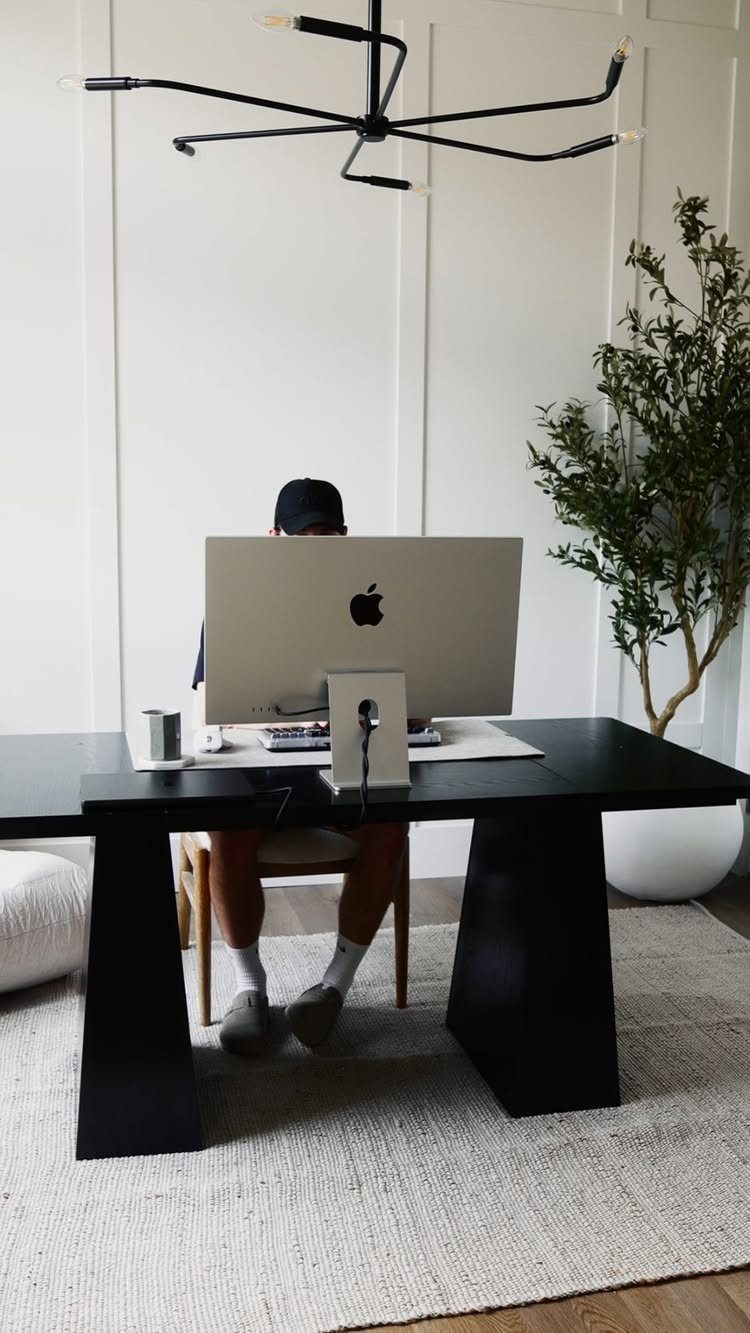
A minimalist office clears out everything that isn’t directly supporting your work.
One desk, one chair, one monitor, and only the tools you use every day stay visible. Storage, cables and extra supplies go inside drawers or behind closed doors so the room stays visually quiet.
Stick to a single accent color if you’re adding anything beyond black, white and wood. The restraint keeps distractions low and makes it easier to stay focused through long work sessions.
This approach works best if you can dedicate a full room to the office; trying to carve out minimalism in a corner of a shared space usually just highlights the clutter around it.
Almost no house is complete without a home office these days. And they can range from something as small as a nook in the living room to as involved as renovating your garage.
13. Motivational Cues
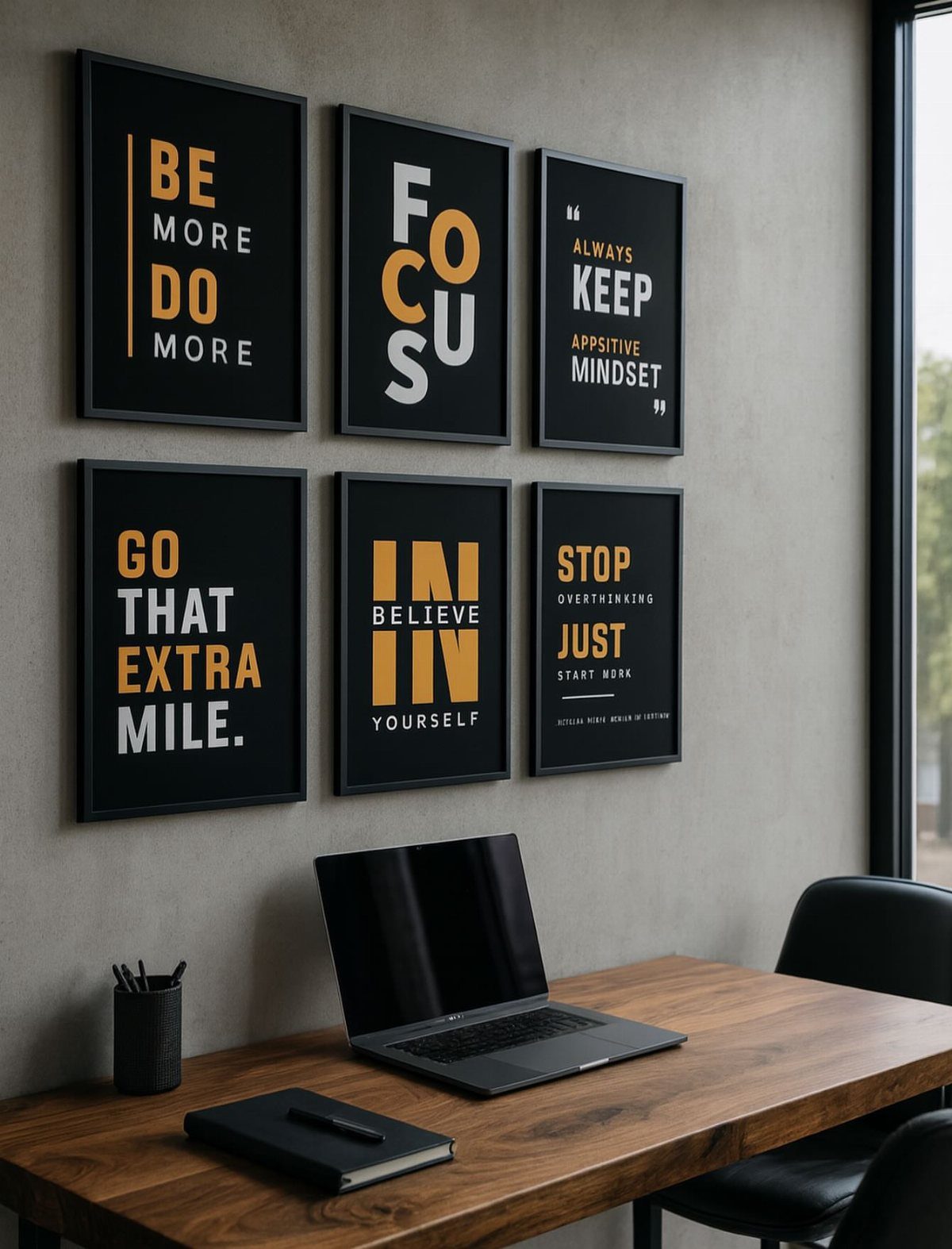
Pick phrases that actually move you forward instead of generic slogans you’ll stop seeing after a week.
A grid layout like this one gives you several reminders in one glance. Match the frame color to your desk setup so the wall feels cohesive rather than cluttered with mismatched pieces.
14. Black Paint
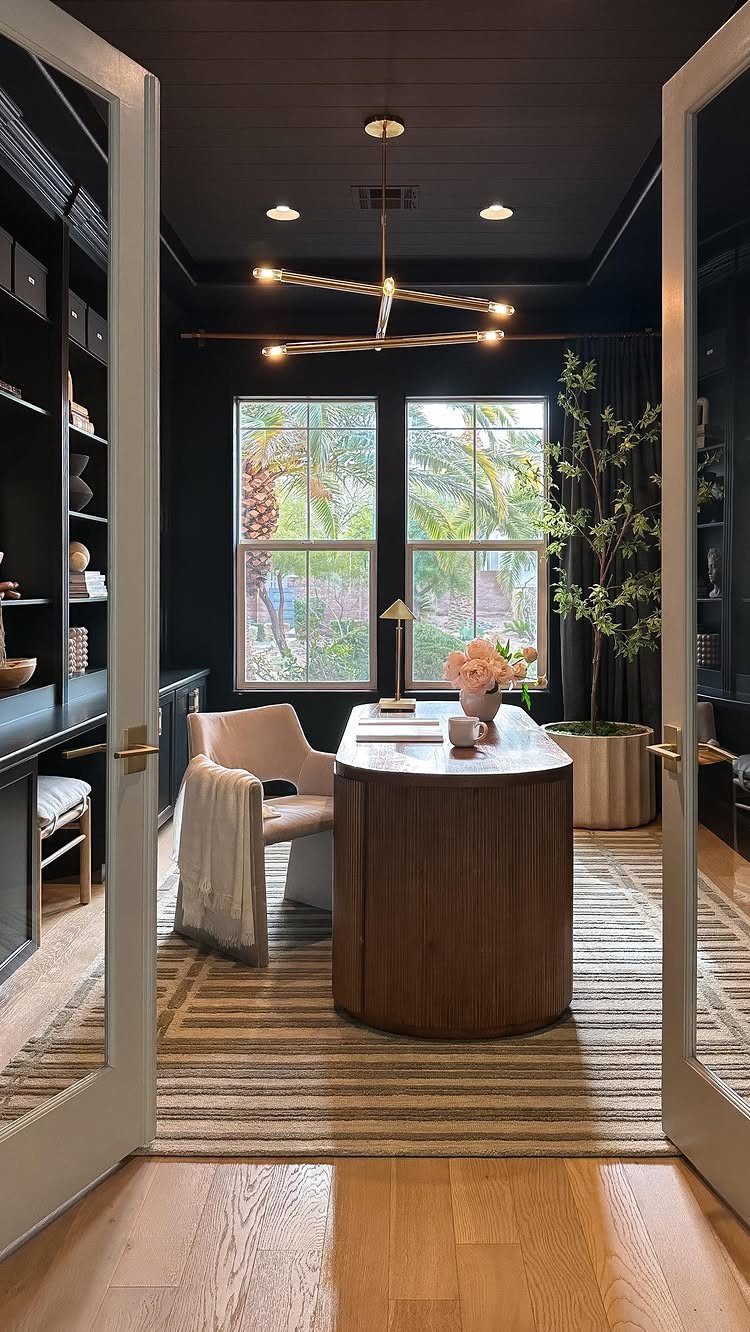
Black walls make a small office feel intentional instead of cramped. The dark color recedes, and anything you place against it stands out without competing for attention.
Paint the ceiling too if you want the room to feel wrapped and contained rather than chopped in half. Light wood furniture and a warm-toned chair keep the space from reading cold.
Add a metallic fixture for contrast. This works best in a room with windows; without natural light, black can feel like a cave instead of a cocoon.
15. Wall Art

A single large print draws the eye and anchors the desk without requiring a gallery wall. Choose something with a message that actually resonates with the work you’re doing, not just decoration for the sake of filling space.
Frame it simply so the art does the talking.
White or black frames disappear into most walls and keep the focus on the image itself. Hang it centered above your desk or slightly off to one side if your monitor sits high enough to block a centered piece.
16. Room Dividers
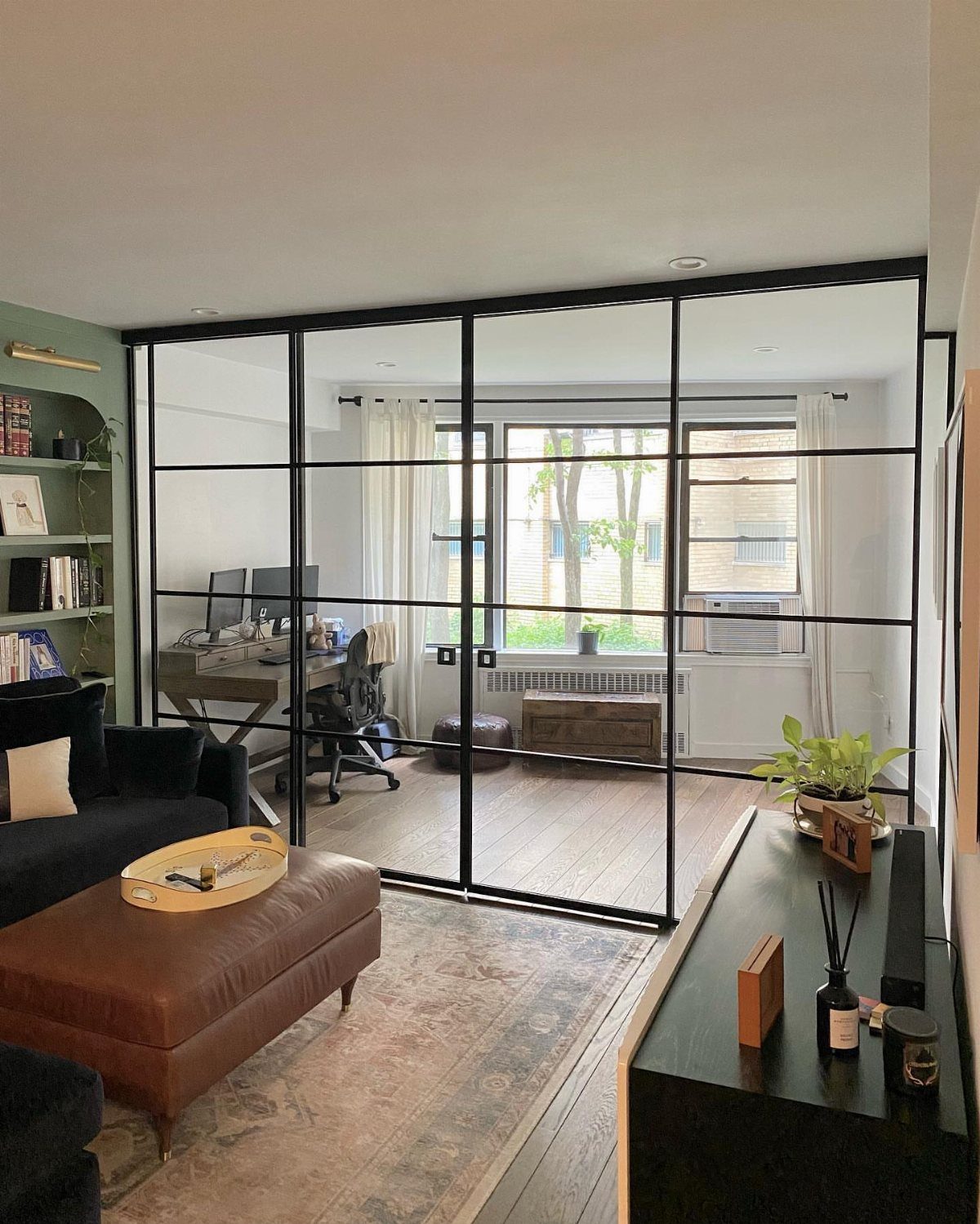
A glass partition gives you a closed office without cutting off light or making the rest of the room feel smaller.
Black-framed panels read as intentional architecture instead of a temporary fix, and you can still see through to the other side when you need to keep an eye on shared spaces.
Floor-to-ceiling panels work best if you can anchor them to the ceiling joists.
Freestanding frames exist but feel less permanent and wobble unless they’re braced properly. This option costs more than a curtain or a bookshelf, but it holds up better and looks like it belongs.
17. Personal Touches
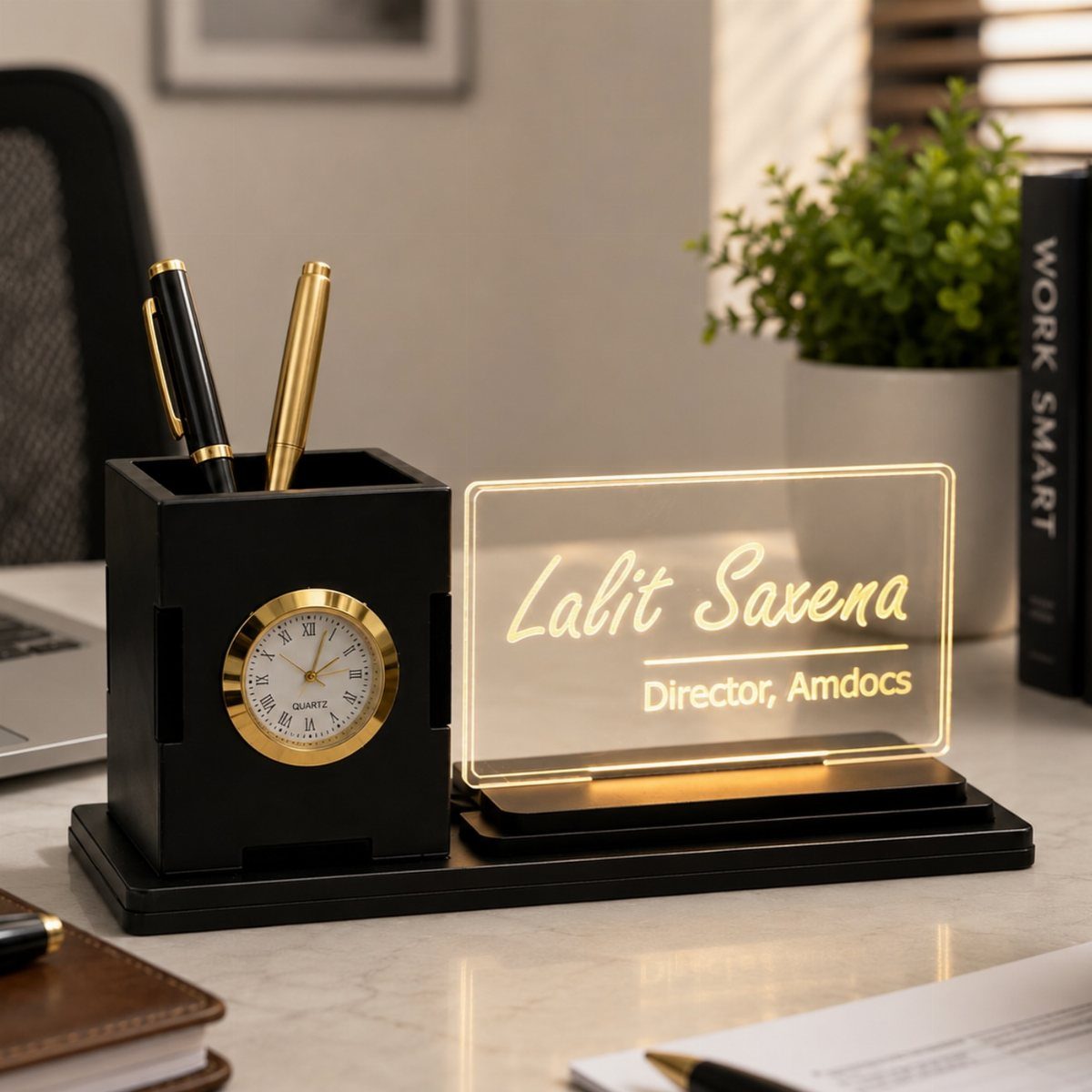
Personalizing your desk with items that mean something to you makes the space yours instead of just functional.
A nameplate, a specific pen set, or a small object tied to your work reminds you why you’re sitting there when the day drags.
Keep personal items contained to one area so they don’t sprawl across your workspace. A tray or organizer holds everything in one spot and makes it easy to clear the desk when you need the full surface for a project.
Importance of Ergonomics
A chair that supports your lower back and a desk at the right height can cut fatigue and keep you working longer without the aches that pile up by the end of the week.
Position your desk near a window if you can, and add a task light that throws brightness on your work surface instead of bouncing glare off the screen.
Your phone, notebook, and anything you grab more than twice an hour should sit close enough that you never have to get up or lean hard to reach it.
Arrange your desk so you’re not stretching or twisting to grab a pen or check a document.
Set reminders to stand or stretch every hour; even the best chair won’t save you if you stay locked in one position all day.
Creating a Productive Atmosphere
A space that looks intentional and suits the way you work cuts distractions and keeps your attention where it belongs.
Natural light, uncluttered surfaces and furniture that fits your body properly reduce stress and improve mental clarity while you’re sitting there.
Designing your own workspace gives you control over how the room functions, which translates directly into working more efficiently.
Personal touches spark inspiration when they’re tied to the work you’re doing. Add natural materials like wood, soft textiles in warm colors, and lighting you can adjust as the day shifts from morning to evening.
Maximizing Small Spaces
Pair it with tall shelving units that use vertical space instead of eating into your floor area, and you’ll have storage that doesn’t crowd the setup.
An L-shaped desk turns a corner into usable work surface and gives you room to spread out papers or a second monitor without taking over the whole room.
Use a distinct area rug or a room divider to separate the office from the rest of your home so the boundary feels real even when the space is shared.
A fold-down desk or a cabinet that closes when you’re done keeps a spare bedroom or corner of the living room from looking like an office all the time.






