
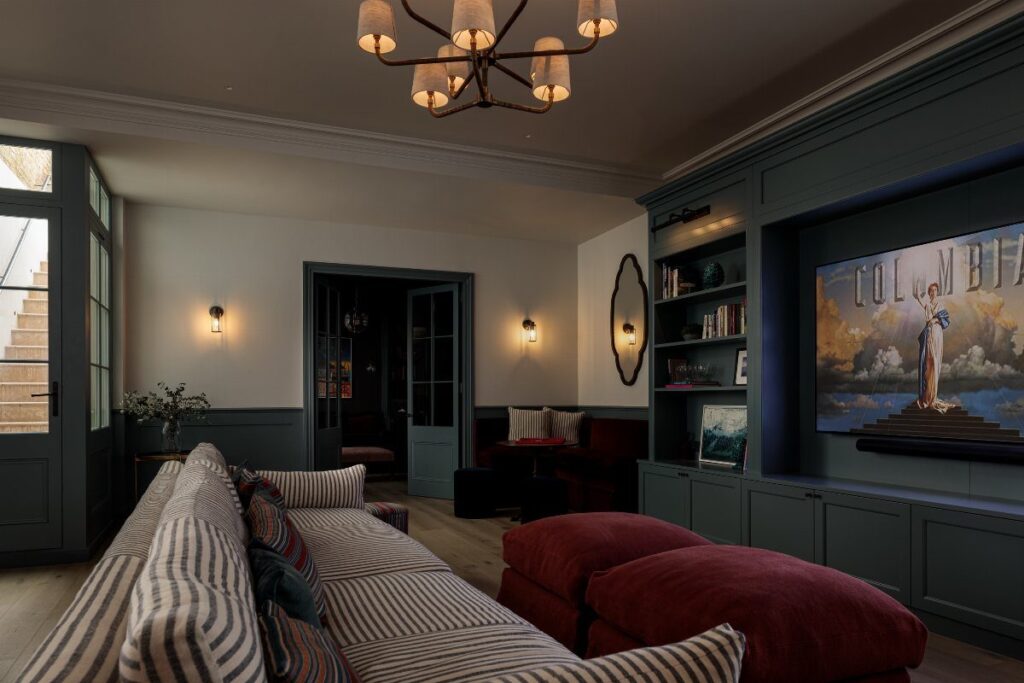
Basement wall paint runs from bright white that reflects scarce natural light all the way to black that swallows it, with gray, navy, charcoal, beige, green, teal, red and burgundy filling the range between.
1. Gray Wall Paint
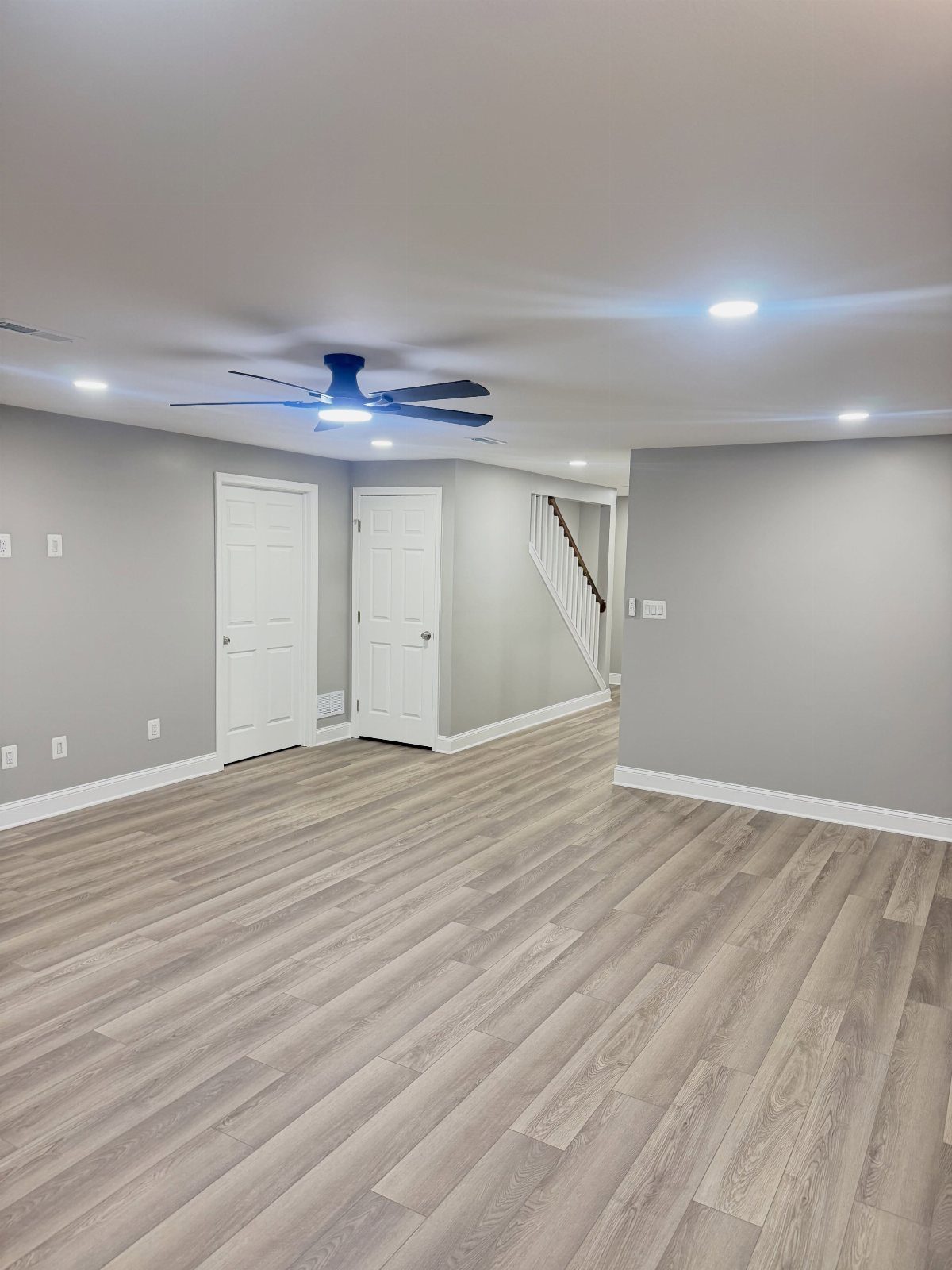
Gray sits between the cool brightness of white and the depth of charcoal, which makes it calm a basement down without closing it in.
The color reads neutral enough to let furniture and art carry the style, and it hides the minor imperfections that show up fast on a fresh white wall.
Light gray like this keeps the space open when natural light is limited.
Pair it with white trim and doors to hold the contrast, or match the trim in the same gray for a softer look that flows wall to ceiling.
2. Navy Blue Wall Paint
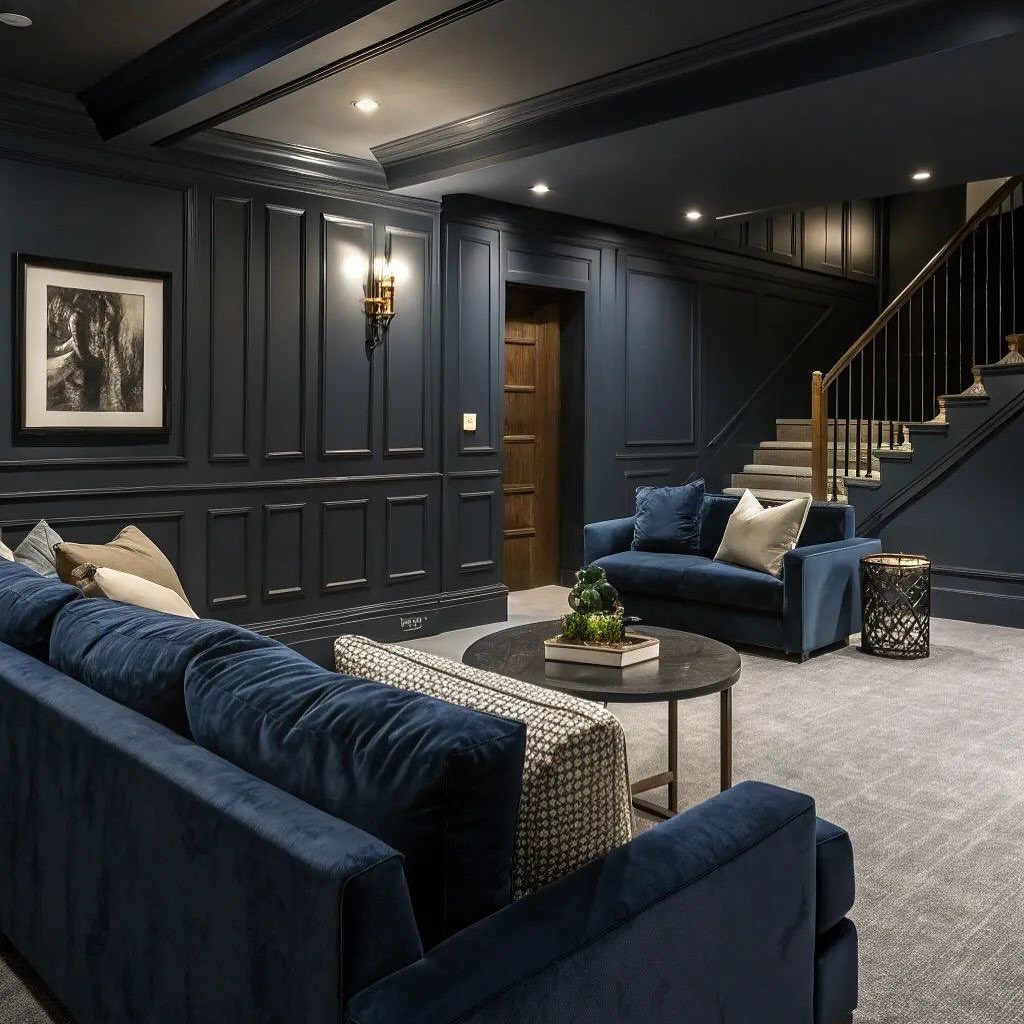
Navy pulls a basement away from builder beige without the starkness of black.
The color absorbs light instead of bouncing it, so the room feels smaller and more intentional, which suits a lounge or media space better than a multipurpose zone.
Paneling like this adds texture that breaks up the flatness of drywall.
I’d run the panels to chair rail height and paint everything the same navy, or take them all the way up if the ceiling is low and you want the lines to lift the eye.
White or brass hardware pops against the depth.
3. Bright White Wall Paint
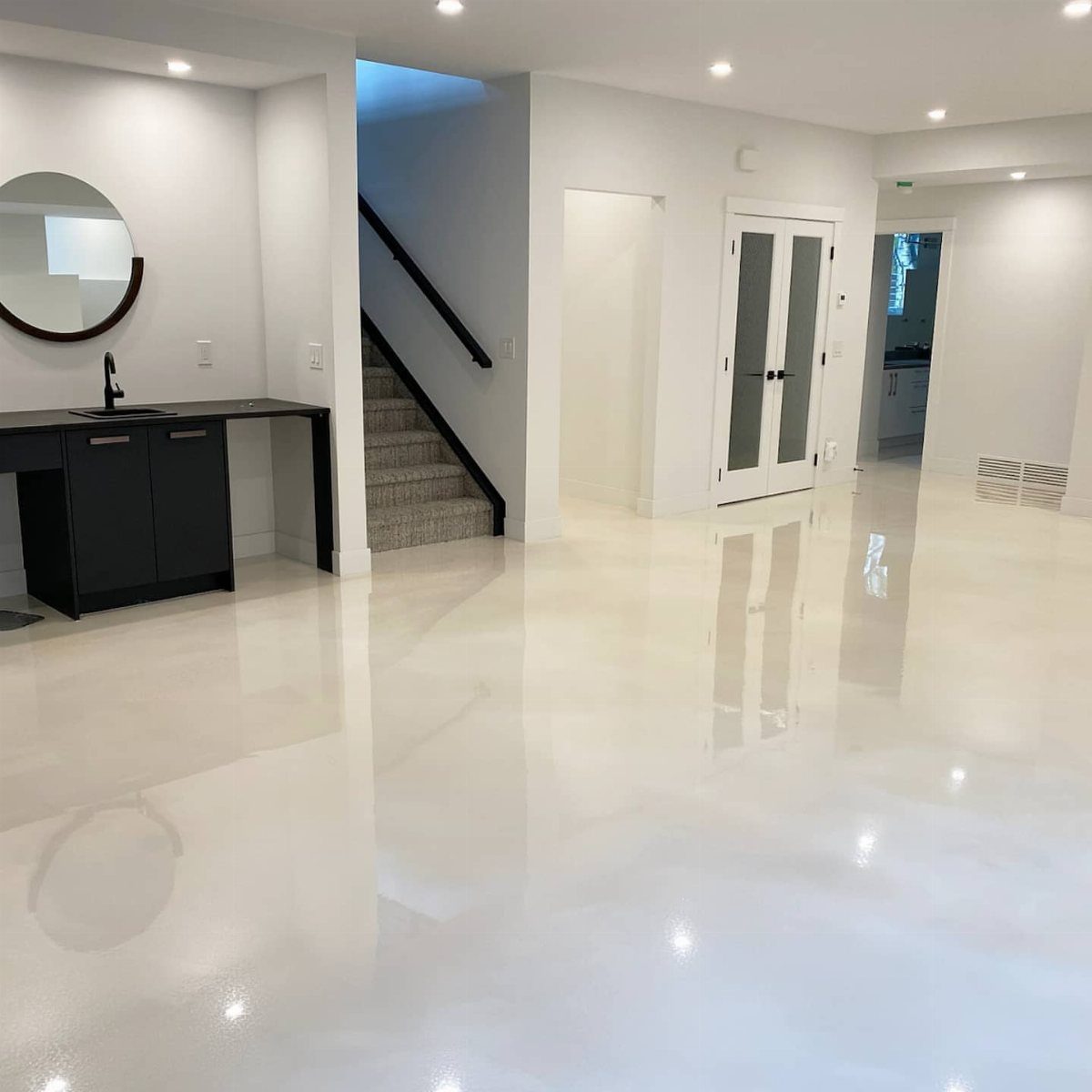
Bright white maximizes every bit of light a basement gets, which matters when windows are small or placed high. The color makes the space feel larger and cleaner, though it shows scuffs and handprints faster than any other option.
Gloss or semi-gloss paint reflects more light than flat or eggshell, and it wipes down easier when the walls take daily contact.
Match the floor in white if you want the room to feel continuous, or contrast it with dark tile or wood to anchor the brightness.
4. Moody Charcoal Wall Paint
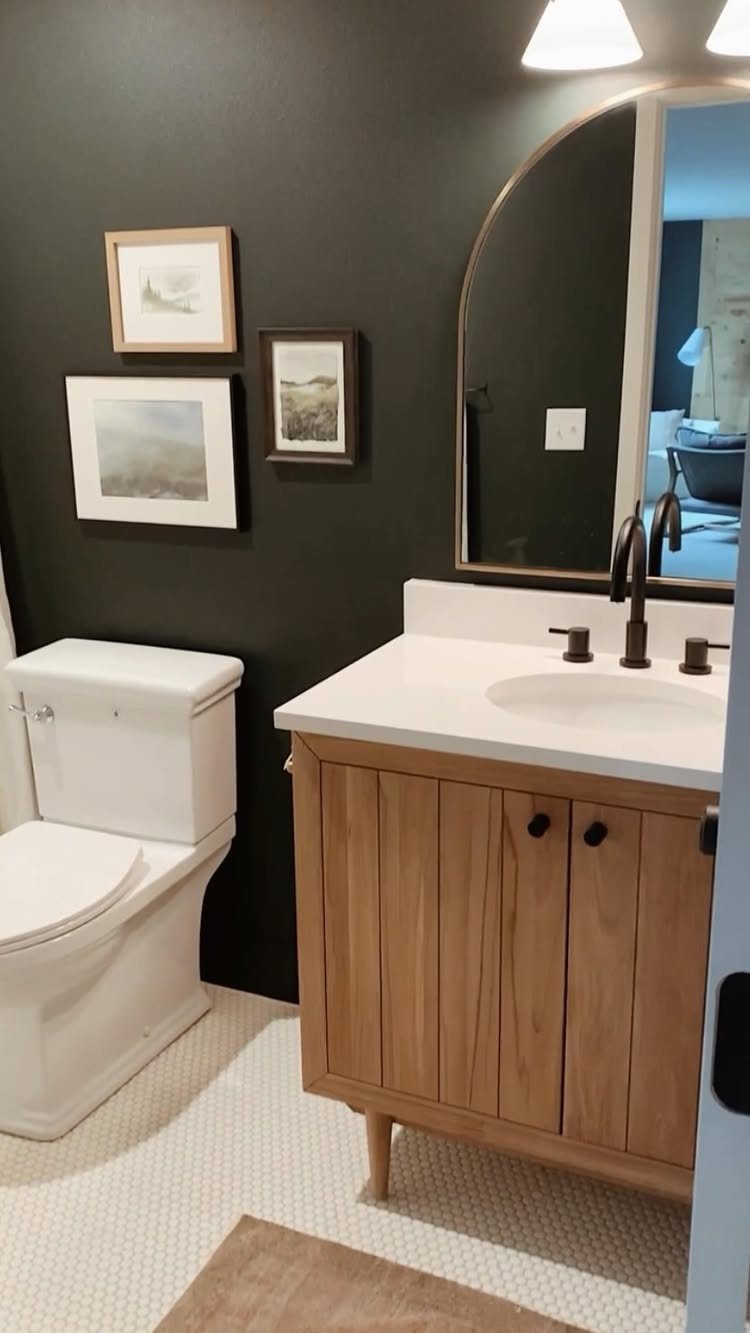
Charcoal brings the mood down in a good way when you want a bathroom or media room to feel enclosed and deliberate.
The color hides shadows and makes fixtures stand out, but it needs enough artificial light to keep the space usable.
Balance dark walls with light cabinetry and countertops so the room doesn’t collapse visually.
White or pale wood vanities reflect enough light to keep the contrast readable, and they give you a place to rest your eye between the walls and the floor.
5. Warm Beige Wall Paint
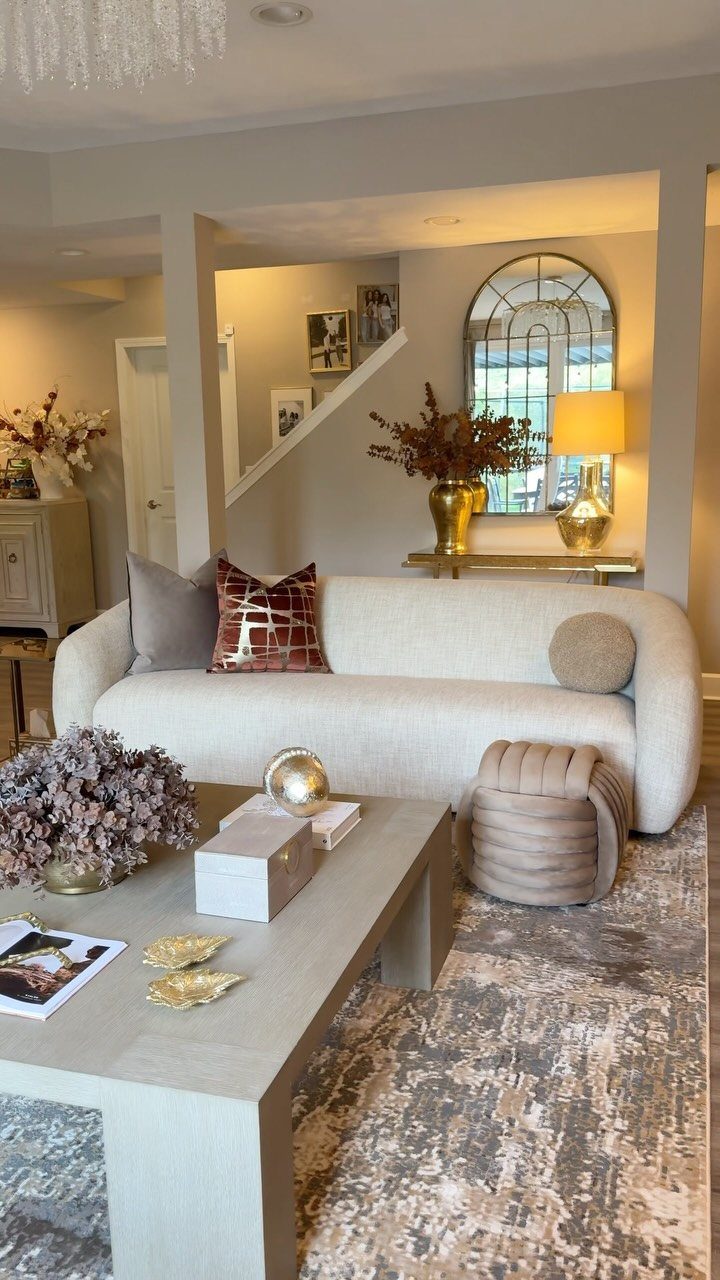
Beige with a warm undertone softens a basement without the clinical feel of gray or white. The color works with most furniture finishes and holds warmth when the space lacks direct sun, which basements usually do.
Look for a beige that leans slightly tan or cream instead of pink or yellow.
Test it on the wall in your actual lighting first, since basement bulbs skew cooler and can turn a warm beige flat. Gold and brass accents read richer against this backdrop than silver or chrome.
When it comes to picking out a paint color, you can stick to one of the best neutral paint colors, or use your basement to test out bolder hues you’ve always wanted to try.
6. Muted Green Wall Paint
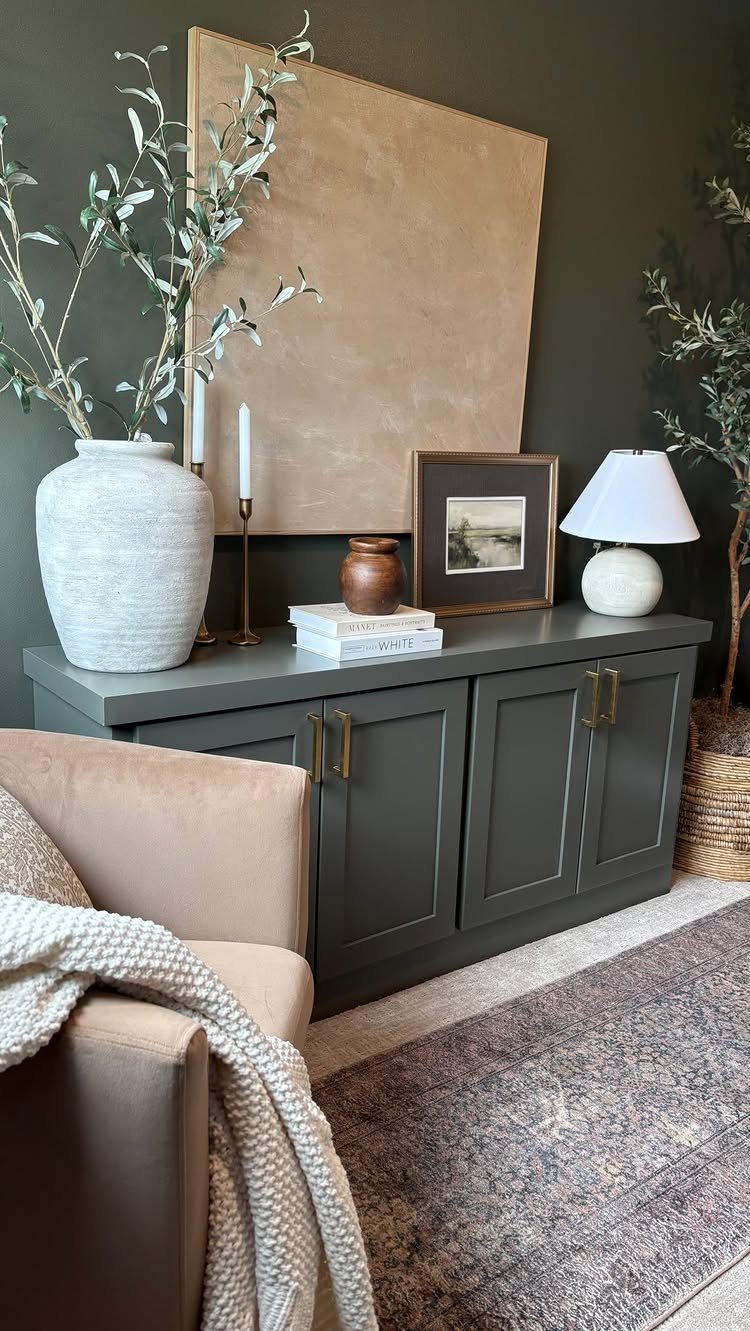
Muted green grounds a basement in a way that feels organic without reading loud.
The color sits between sage and forest, dark enough to add weight but soft enough to live with daily, and it pairs well with wood tones and natural fiber rugs.
Choose a green with more gray than yellow so it doesn’t lean olive or army.
The color shows differently under warm LED bulbs than it does in daylight, so paint a sample board and check it at night before you start rolling. Tan, cream, and black all work as accent colors.
7. Black Wall Paint
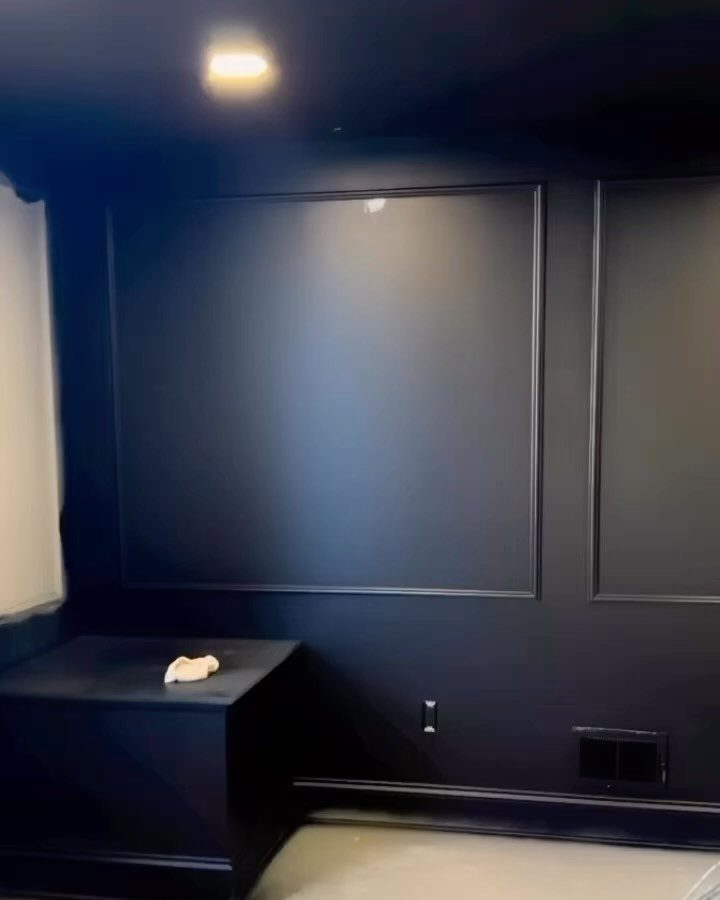
Black closes a room in completely, which makes a basement feel like a dedicated theater or bar rather than a space that tries to do everything.
The color absorbs all the light in the room, so you need strong overhead fixtures or sconces to keep the space functional.
Molding and trim in the same black reads sleek and intentional. Paint them in semi-gloss or gloss so they catch light differently than the flat or eggshell walls, which gives you the detail without adding another color to the palette.
8. Bold Teal Walls and Cozy Seating
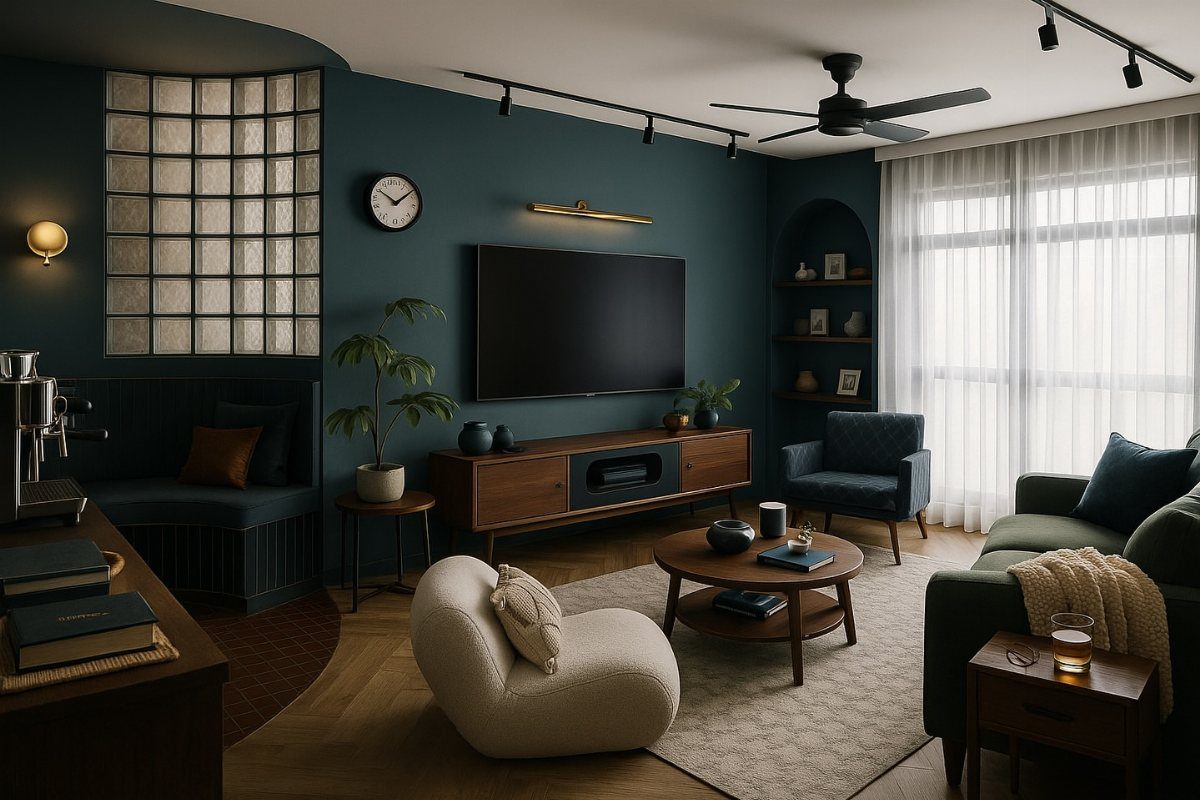
Teal lands between blue and green, saturated enough to anchor a room but not so dark that it makes a basement feel tight.
The color pairs well with neutrals and wood tones, and it holds up as a backdrop for a lounge or game room that sees daily use.
A sectional or deep sofa in a lighter color balances the wall weight and gives you a place to sit that doesn’t disappear into the paint.
Add a mix of seating types so the space handles different activities without feeling like one large couch took over the room.
9. Red Wall Paint
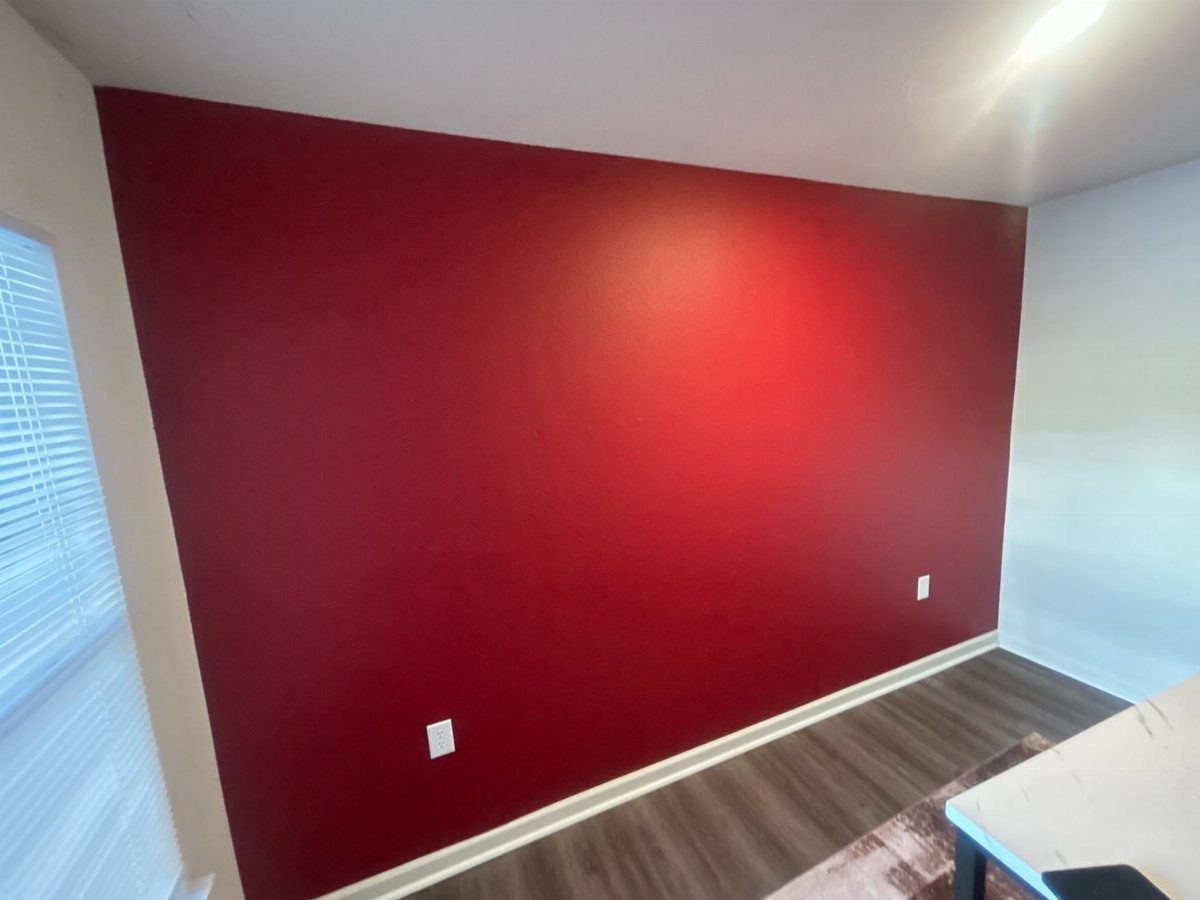
Red reads warmer and more active than burgundy or maroon, which makes it better for a playroom or exercise space than a bedroom or office.
The color demands attention, so it works best as a single accent wall with the other 3 walls in white or light gray to keep the room balanced.
White trim sharpens the edge between the red and whatever else surrounds it. Paint the baseboards, door frames, and window casings in semi-gloss white so they stand out against the color and give your eye a place to rest.
10. Rich Burgundy Wall Paint
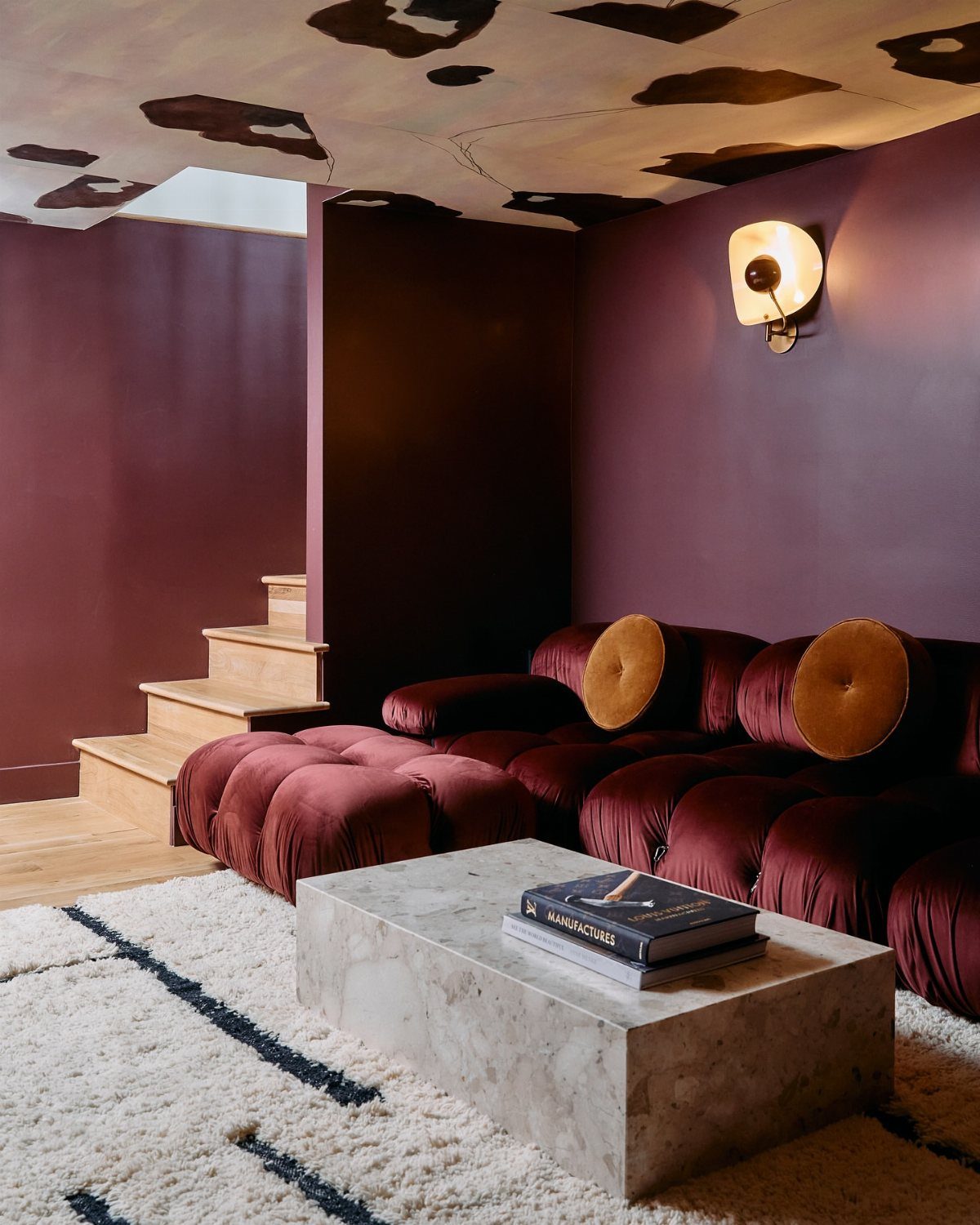
Burgundy carries the richness of red without the same intensity, which makes it easier to live with in a basement lounge or reading room.
The color works best with warm metals and soft textures that match its weight, like brass lamps and velvet or linen upholstery.
Keep the ceiling white or a pale neutral so the room doesn’t feel like it’s closing in from above.
A light rug or coffee table breaks up the darkness at floor level and reflects enough light to keep the space from reading too heavy.
Consider the Purpose
Decide how you’ll actually use the space before you pick a color. A home office benefits from calming tones that hold your focus without distraction, while a gym or playroom can handle bolder choices that add energy to the room.
The mood you’re after matters as much as the function.
Dark colors add drama and make the space feel deliberate. Light neutrals keep things fresh and open, which works when the basement handles multiple activities or you’re still figuring out what the room needs to be.
Paint the mood before you commit to a swatch. A cool gray might look stylish in your head but read like an office cubicle once it’s on all 4 walls.
Paint Sheen
Semi-gloss and satin finishes resist moisture better than flat paint, which matters in a basement where humidity sits higher than the rest of the house.
The sheen changes how the color reads on the wall.
Use them on trim and doors rather than large wall surfaces unless the drywall is perfectly smooth.
Frequently Asked Questions
What are some good paint colors for a basement?
Gray, white, navy, and muted green all work well in basements with different needs.
Light colors like bright white and pale gray open up spaces with limited natural light, while darker shades like charcoal and navy suit lounges or media rooms where you want a more enclosed feel.
Beige and green add warmth without the starkness of pure white, and bolder picks like teal or burgundy anchor a room when you want the walls to carry the style.
Can I just paint my basement walls?
Yes, as long as the walls are dry and any moisture problems are fixed first. Paint over damp drywall will peel or grow mold within a year or two, so address leaks and humidity before you open the can.
Choose a satin or semi-gloss finish that resists moisture better than flat paint, and your basement walls will hold up to the conditions.






