
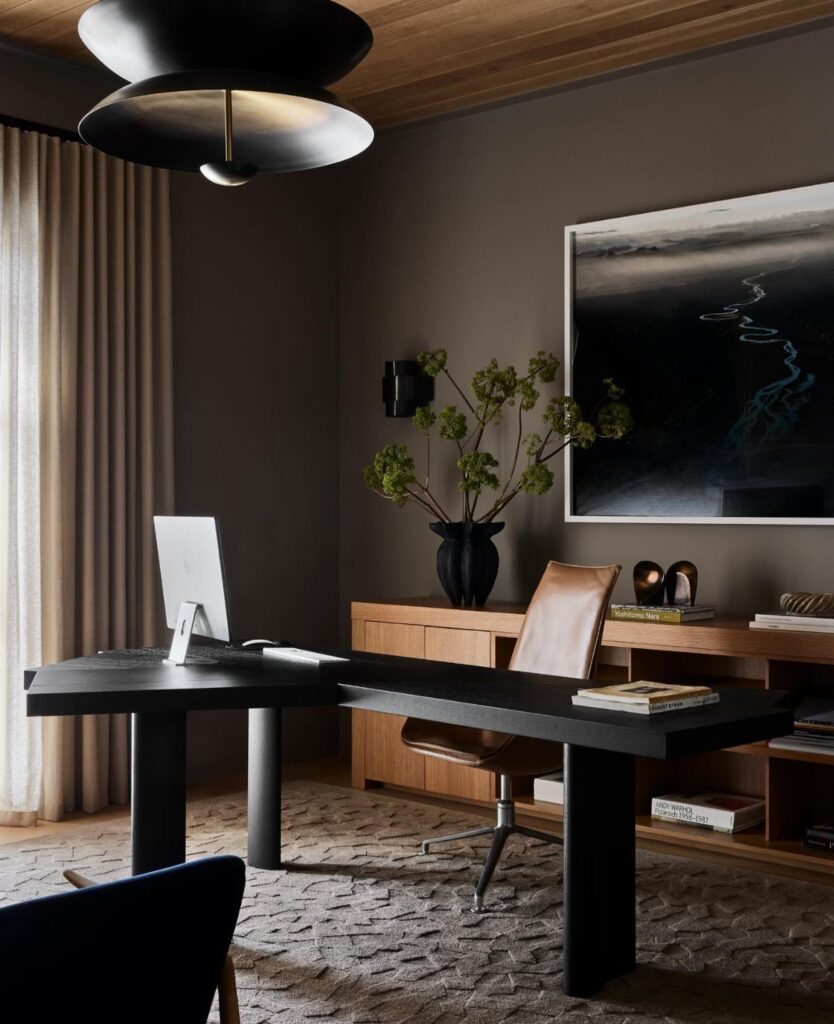
A home office can run from a corner desk and a gallery wall to built-in cabinets and a whiskey bar setup that fills one end of the room.
The room you have and how you work decide which ideas fit: built-in cabinets and a whiskey bar setup need space to breathe, while floating shelves and a minimalist layout leave a smaller room open.
1. Personal Memorabilia
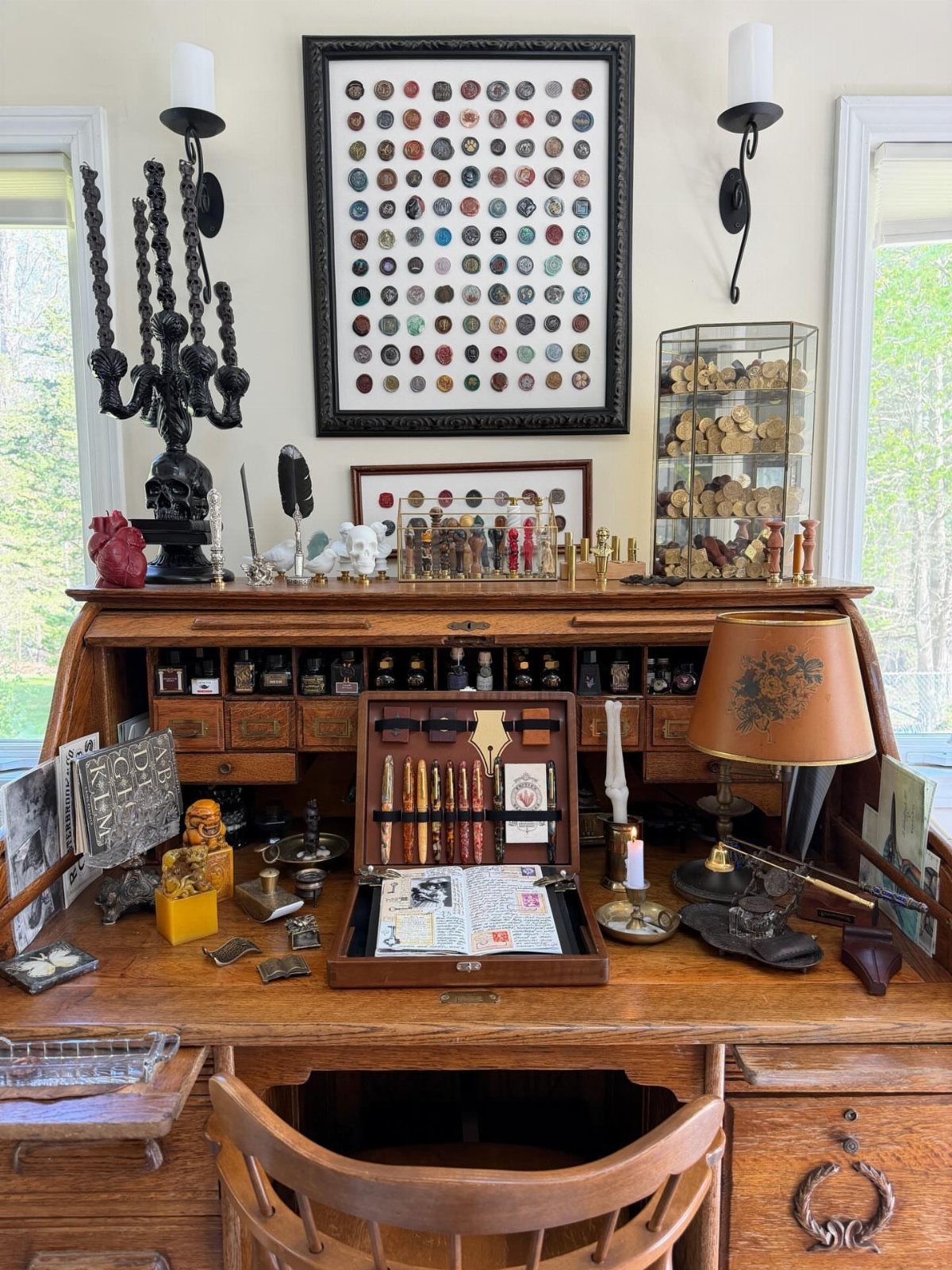
A roll-top desk lined with coins, stamps, or oddities turns the workspace into something that belongs to you alone. A framed coin collection or a few vintage pieces give the space personal weight without taking up desk room.
This approach costs next to nothing if you already own the items. Start with what you have: a shadowbox for coins, small display cases for pocket knives or watches, or a narrow shelf for books that shaped how you think.
Group them near the desk where you can see them while you work, and the office stops feeling like a placeholder.
2. Accent Wall
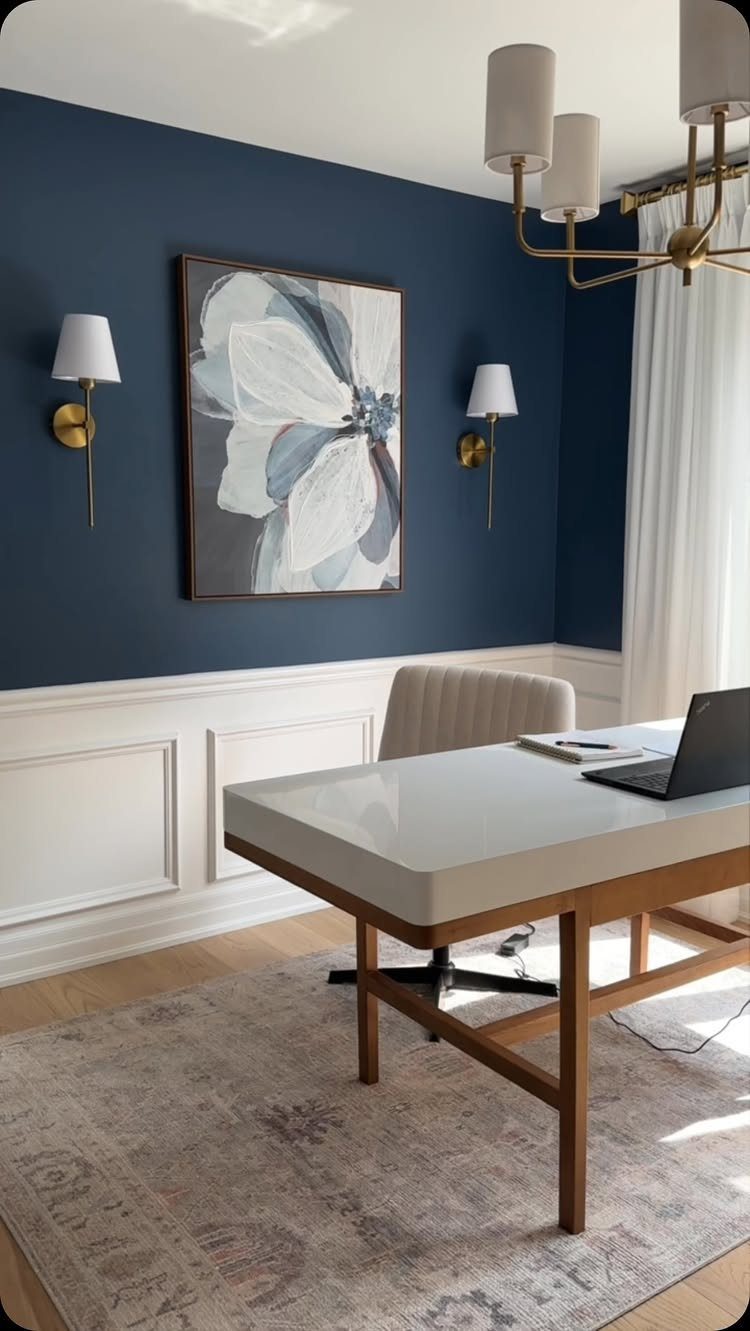
A single painted wall behind the desk changes the room without touching the rest of it. Navy blue reads confident and grounded; pair it with white trim or wainscoting to keep the contrast sharp.
This is a weekend project. Tape off the wall, roll 2 coats of paint, and let it dry overnight.
The accent wall gives the desk a backdrop and makes the room feel finished even if the rest of the space stays simple. Pick a color darker than you think you want; pale versions disappear under office lighting.
3. Gallery Wall
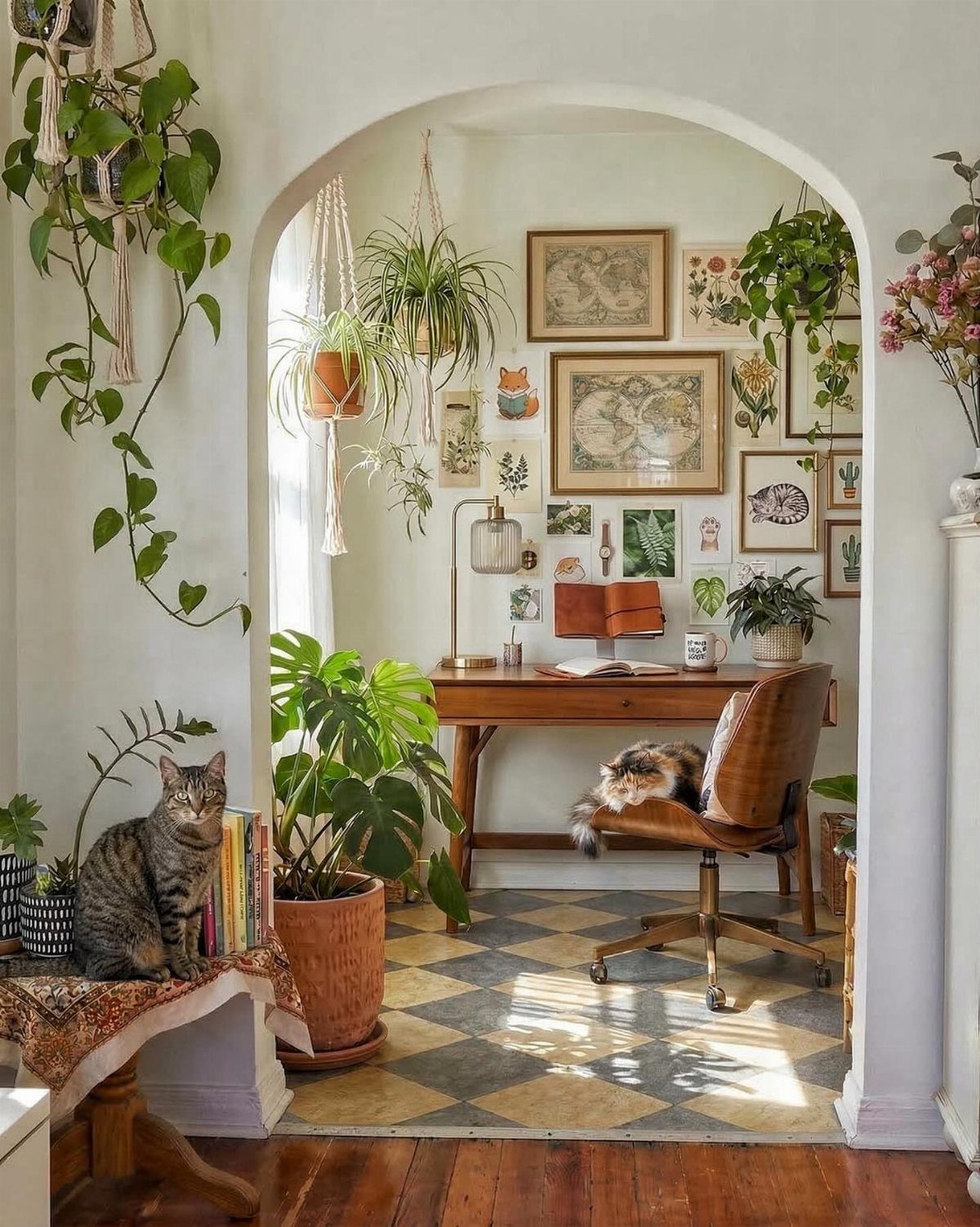
A gallery wall behind the desk fills vertical space with things that matter to you: framed prints, maps, diplomas, or photos from trips. The mix of sizes and subjects keeps the wall from looking like a grid.
Lay the frames on the floor first and arrange them until the spacing looks right, then measure and mark the wall. Use picture-hanging strips if you rent, or nails if you own.
Leave breathing room between frames so each piece reads on its own. Add plants on the desk or shelves nearby to soften the hard edges of the frames.
4. The Desk
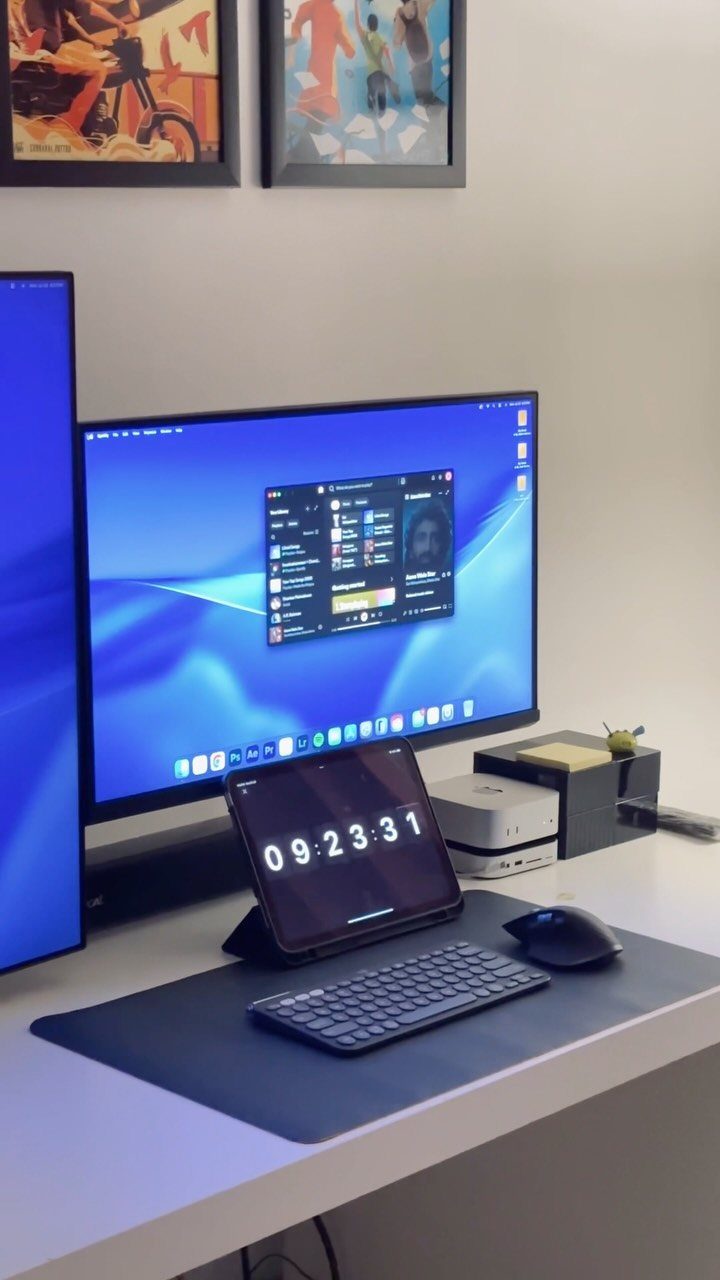
The desk anchors everything else in the office.
Size it to the room: a small corner desk for tight spaces, a long tabletop for dual monitors and spread-out work. White or light wood keeps the room open; dark finishes add weight.
Look for a desk with enough surface area to hold your monitor, keyboard, and at least one stack of papers without crowding.
Cable management matters: desks with grommets or an open back let you route cords out of sight. A solid desk lasts longer than particleboard and holds up under daily use.
5. Desk Lamps and Floor Lamps
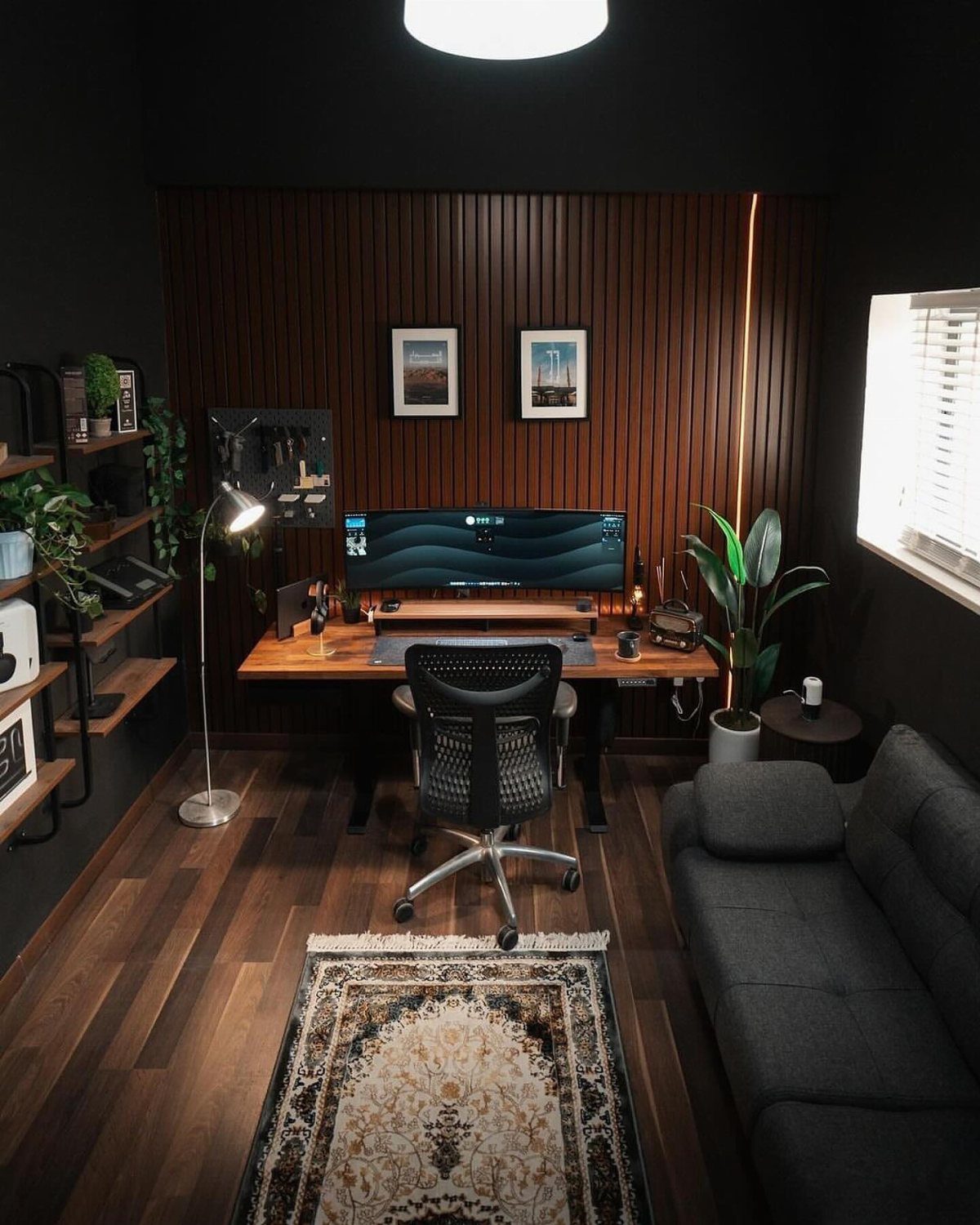
Layered lighting gives you control over how the room feels and how well you see your work.
A floor lamp behind the desk fills the room with ambient light, and a desk lamp puts focused light exactly where you need it.
Adjustable arms let you move the light as the day changes.
Warm bulbs (2700K–3000K) feel less clinical than daylight-temperature LEDs. Position the floor lamp so it bounces off the wall or ceiling instead of shining directly into your eyes, and angle the desk lamp toward your keyboard or notebook.
6. Dark Walls and Furniture
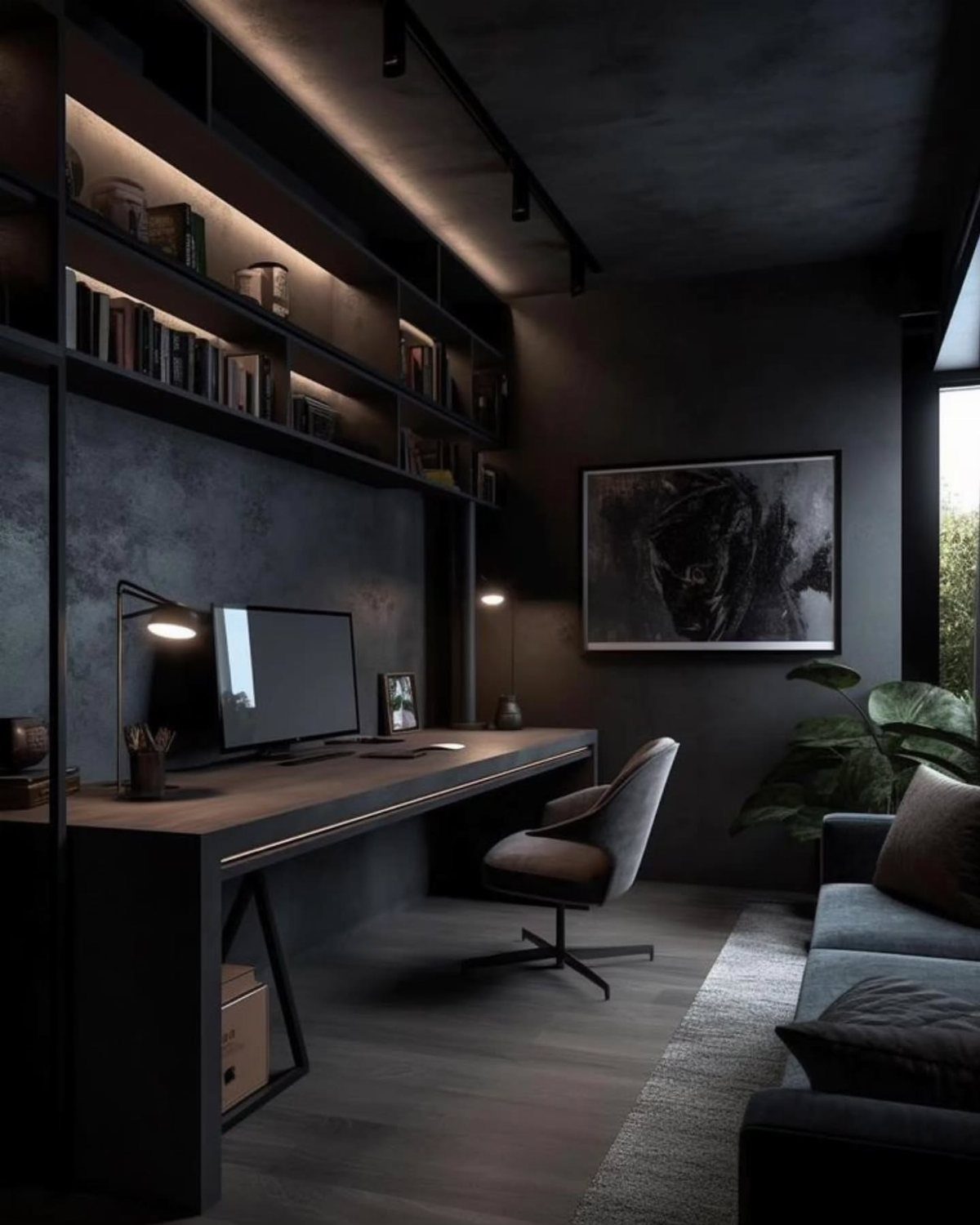
Dark walls and furniture give the office a grounded, serious feel that suits long hours and focused work. Charcoal grey or black eliminates visual noise and makes monitors easier to read by cutting down on reflected light.
This look works best in rooms with good natural light or strong artificial lighting, since dark surfaces absorb rather than bounce light.
Pair a dark desk with a black or grey chair, and add warm lighting to keep the room from feeling cold. The style reads intentional and finished without needing much decoration.
7. Seating Area
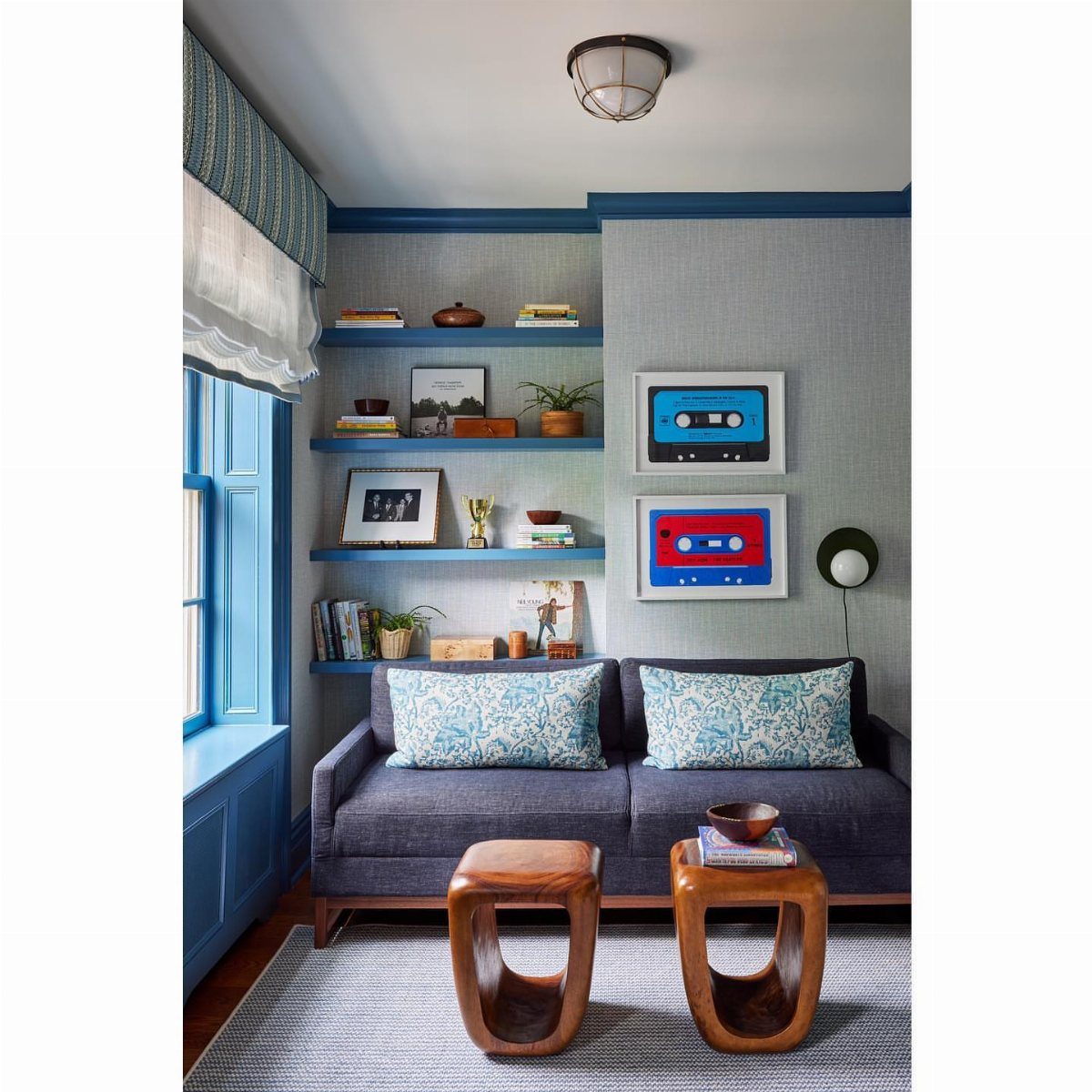
A sofa or a pair of armchairs turns one corner of the office into a place to read, take calls, or think through a problem away from the desk. The break in posture matters as much as the furniture itself.
Pick seating that fits the room without crowding the desk.
A loveseat works in a 10×12 office; a single chair is enough in smaller spaces. Add a side table for coffee or a notebook, and the area reads as part of the office instead of leftover furniture.
8. Minimalist Design
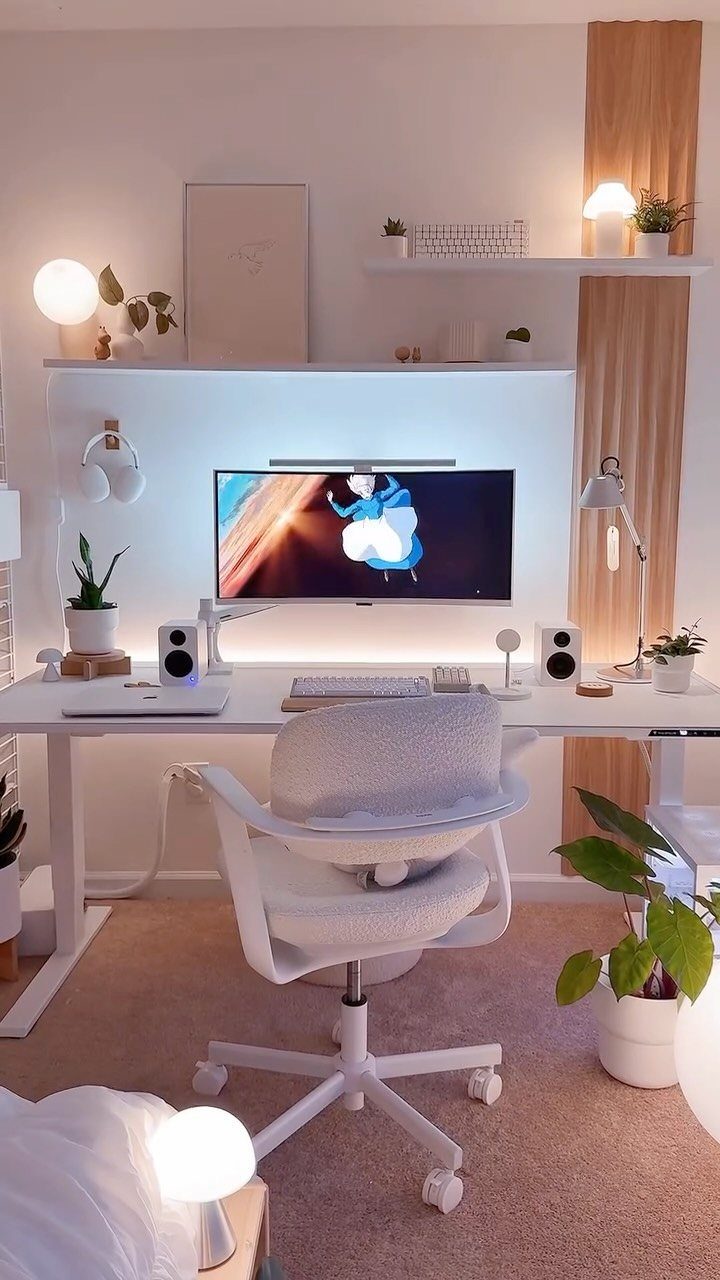
A minimalist office strips the room down to what you actually use: desk, chair, monitor, and one or two plants. White walls and furniture keep the space light, and the lack of clutter makes it easier to focus.
This look depends on storage you can close.
Cables go in a tray or through a grommet, papers go in a drawer, and anything decorative stays under 3 pieces. The room feels larger and quieter than a busy one the same size.
9. Accessories and Art
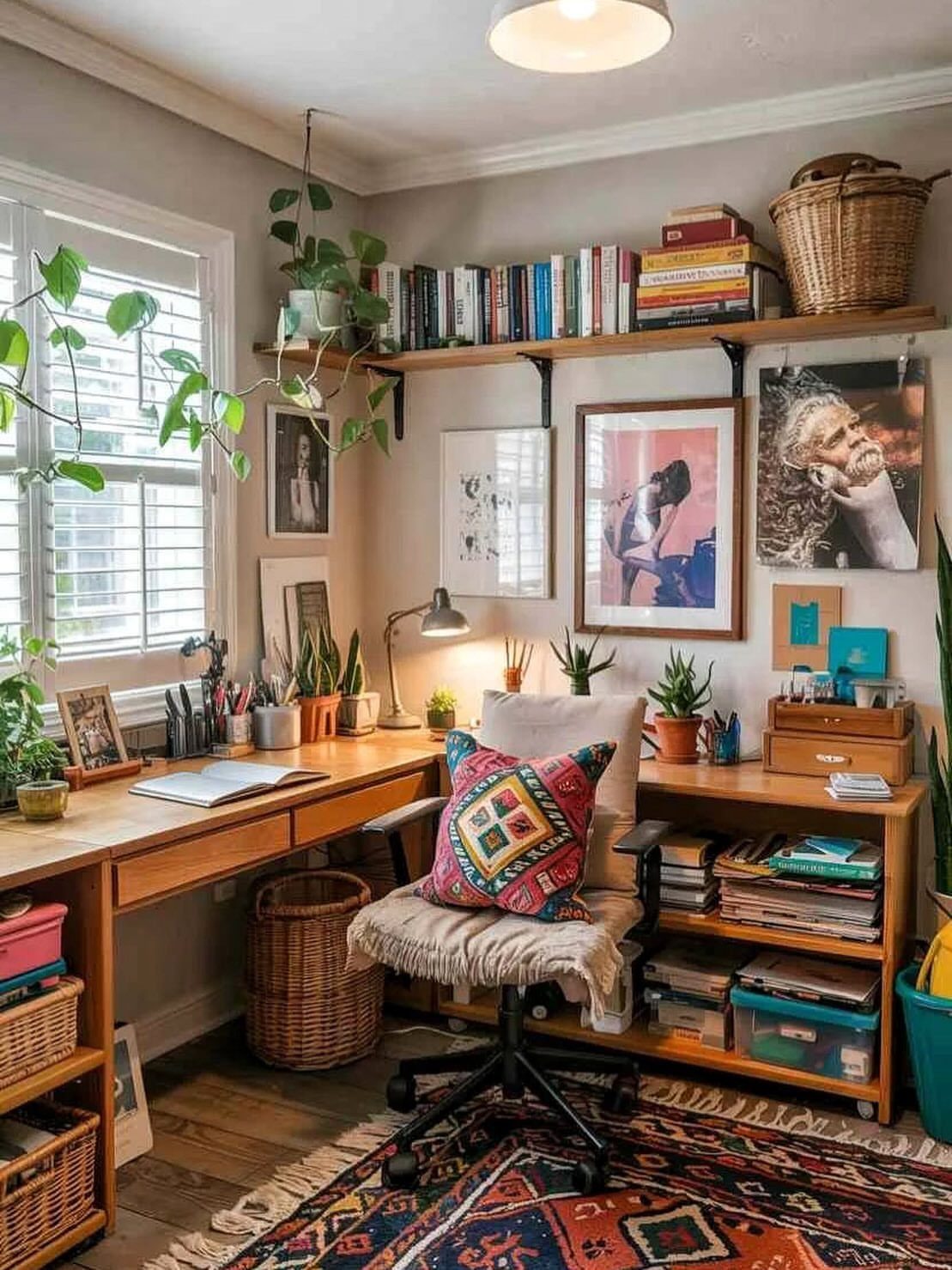
A few pieces of framed art, a patterned rug, and some greenery give the space personality without tipping into showroom territory. The rug grounds the desk, the art fills the wall, and the plants soften hard edges.
Hang art at eye level when seated, so you see it while you work. A rug under the desk protects floors and adds color; pick one that fits the chair and desk with a few inches to spare.
Small potted plants work on shelves or the desk itself, and they stay alive longer than cut arrangements.
10. Quality Ergonomic Chair
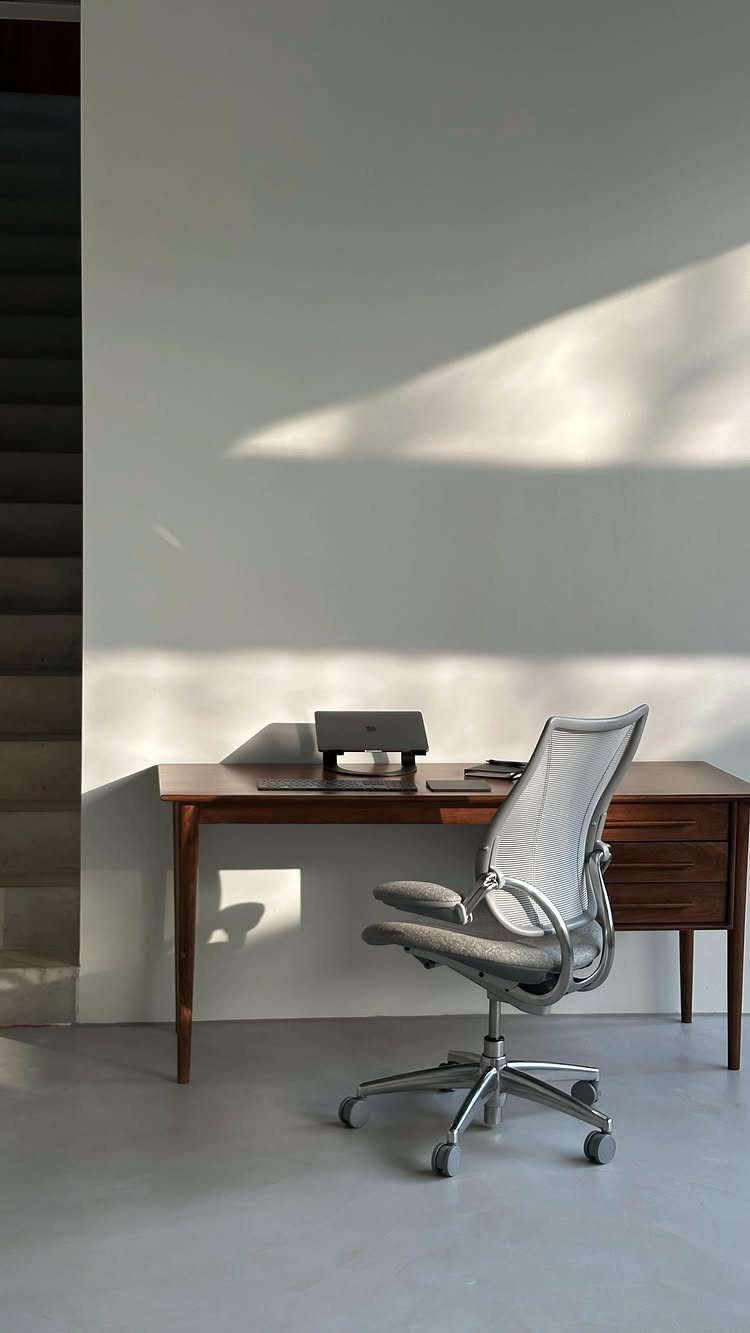
An ergonomic chair supports your back and neck through long hours at the desk. Adjustable seat height, lumbar support, and armrests let you fit the chair to your body instead of forcing your posture around it.
Mesh backs breathe better than foam and hold their shape longer.
Sit in the chair before you buy it if you can; online specs miss how the seat feels after an hour. A good chair costs more upfront but lasts years and saves your back.
11. Built-In Cabinets
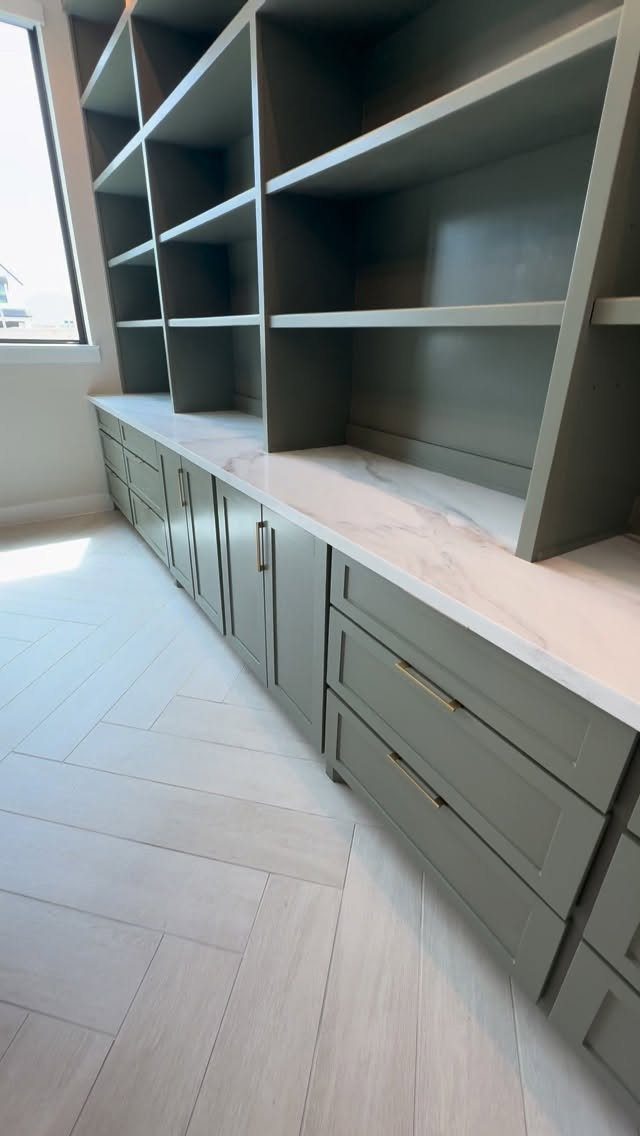
Built-in cabinets fill a wall with storage that looks like part of the room instead of furniture you moved in.
Drawers at the bottom hold files and supplies, open shelves at the top display books or objects, and a countertop between them gives you a long work surface.
This is custom work. A carpenter builds the unit to fit the wall, so it uses every inch and matches the room’s trim.
The cost runs higher than freestanding furniture, but the storage capacity and finished look make it worth considering if you own the house and plan to stay.
12. Wooden Furniture and Plants
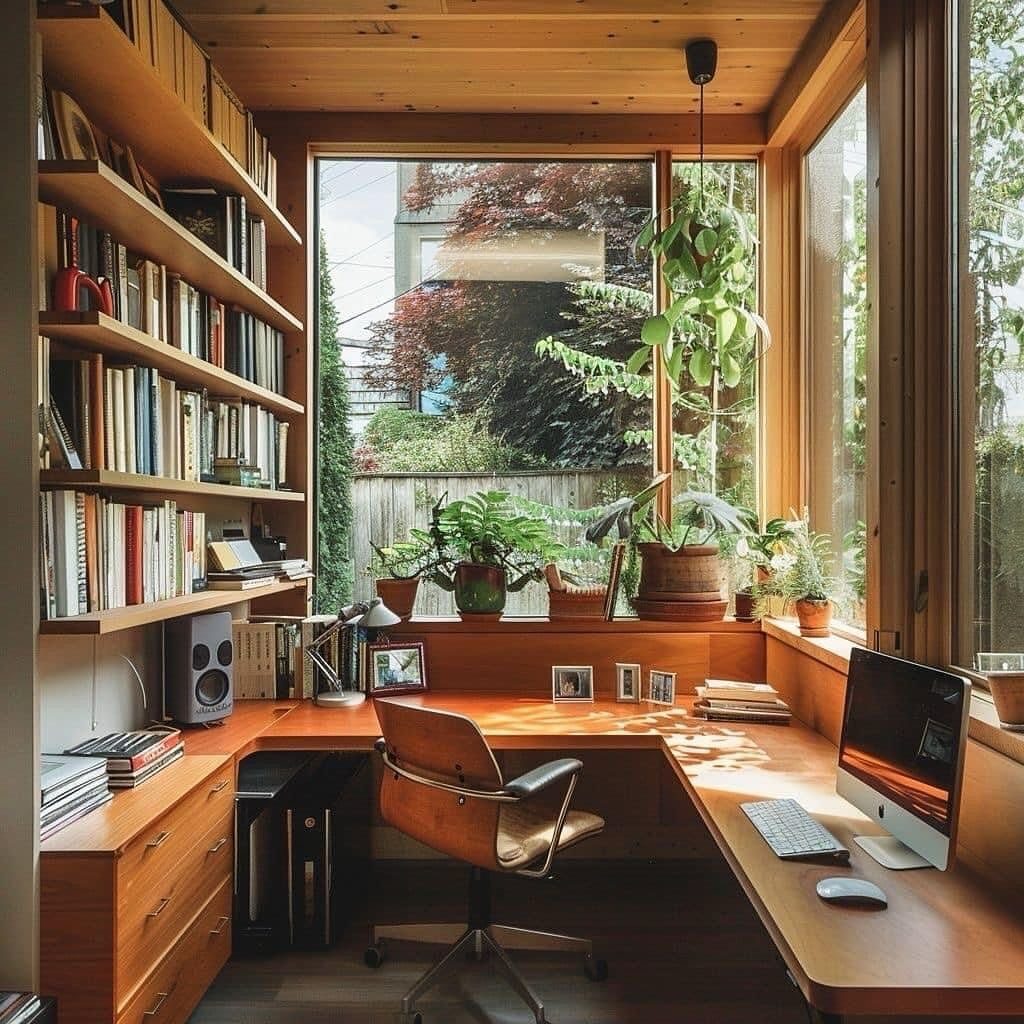
Wood and plants bring warmth into an office that might otherwise feel cold or corporate. A wooden desk and bookshelf give the room texture, and green plants against the grain soften the space without adding clutter.
Real plants need light; place them near windows or add a grow light if the room is dim.
Water them on a schedule so they stay healthy instead of turning brown and adding to the mess. Wood furniture holds up better if you keep it away from direct sun and wipe up spills right away.
13. Wood, Metal, and Leather Materials
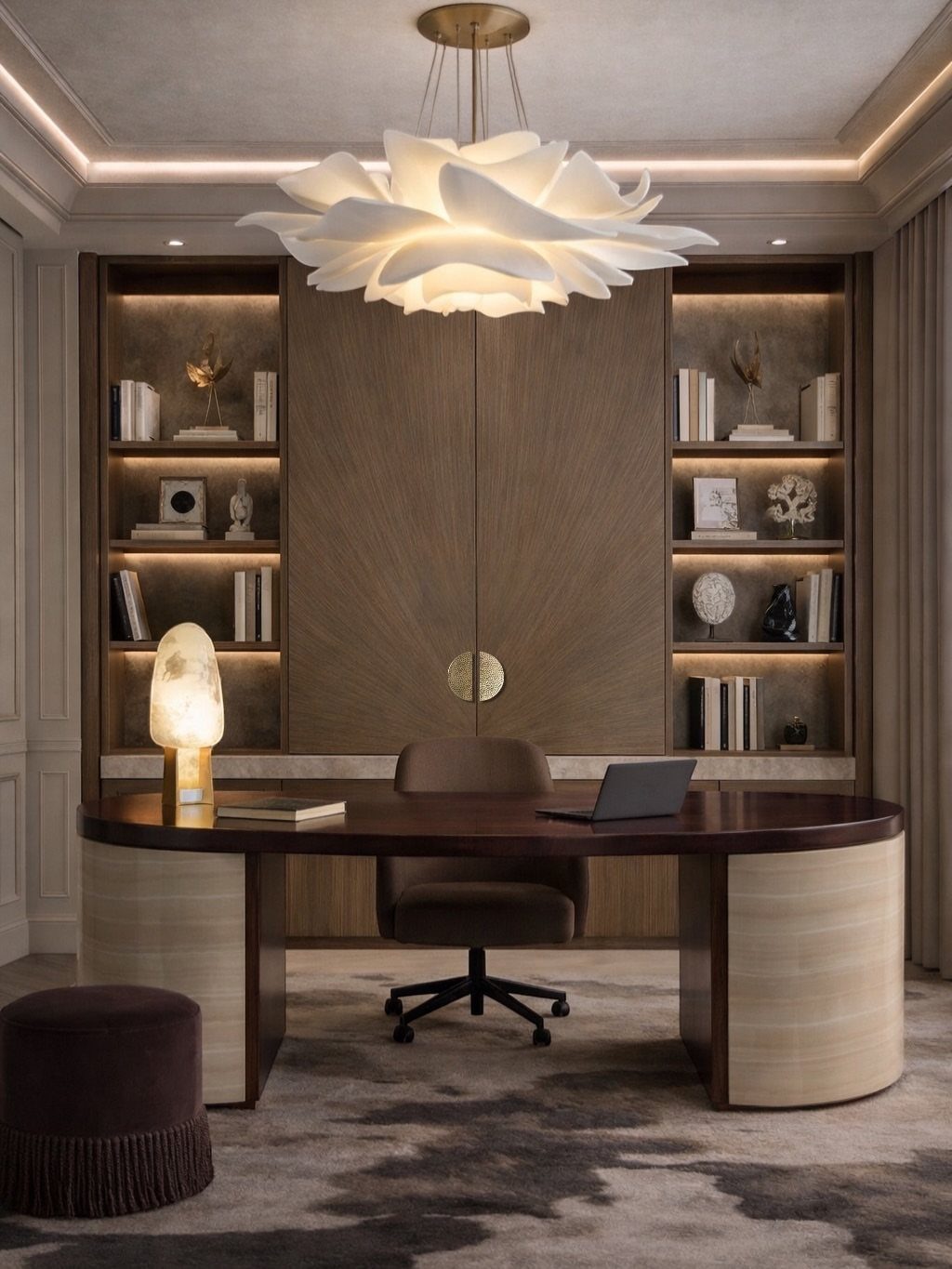
Wood, metal, and leather together give an office the look of a private study instead of a place you work from home.
The materials age well and feel substantial under your hands: a wooden desktop wears in rather than out, metal drawer pulls stay tight, and leather seating molds to you over time.
Mix finishes instead of matching them.
A dark walnut desk works with black metal hardware and a cognac leather chair. The grain and texture do the decorating; the rest of the room stays simple.
14. Whiskey Bar Setup
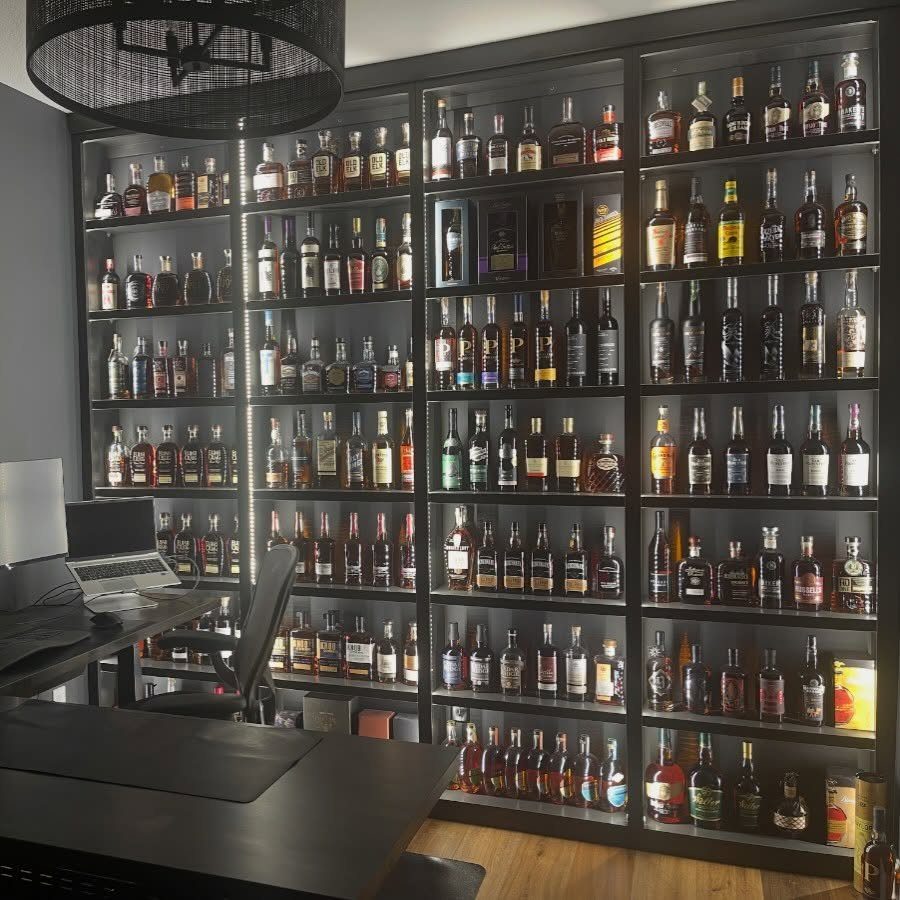
A shelf of liquor bottles turns one wall into a bar without taking floor space or blocking the desk. Stock it with what you actually drink: bourbon, rye, scotch, or whatever else you reach for after a long day.
Mount shelves high enough that the bottles clear your desk and low enough that you can reach them without a stepladder.
Glass looks better than plastic, and full bottles read more finished than half-empty ones. Keep a glass or two nearby so the setup works instead of just sitting there.
15. Modern Floating Wall Shelves
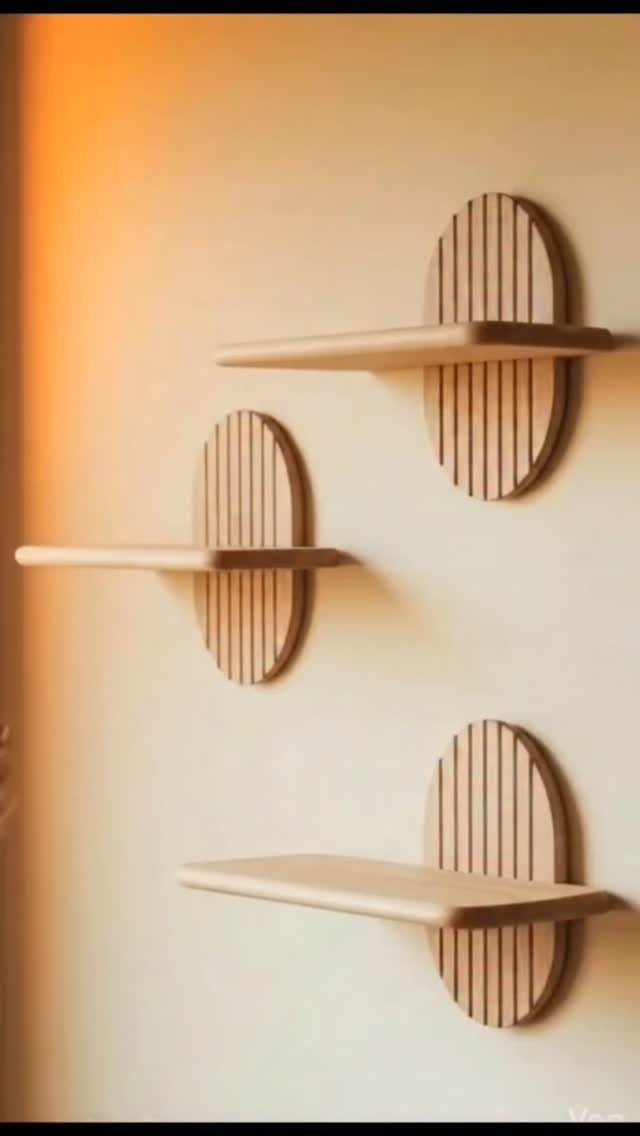
Floating shelves with slatted backplates add texture to a bare wall without the weight of full bookcases. The circular detail gives the shelves a finished look that plain brackets miss, and the light wood keeps the wall from feeling heavy.
Mount them at staggered heights so the arrangement feels organic rather than grid-locked.
Use them for books, small plants, or a few objects that mean something to you. The shelves work best on a neutral wall where the wood grain and slat pattern show clearly.
Importance of Personalization
A home office that reflects how you actually think and what you care about makes it easier to spend hours there. The space should feel like yours, not a generic setup that could belong to anyone.
Pick a direction early.
A hunting lodge feel, a vintage library, or a mid-century look gives you a filter for every choice after. Keep the theme consistent so the room reads as one finished space instead of random pieces.
Texture matters as much as color.
Wood grain, leather upholstery, and metal hardware add depth without needing more objects. Darker grounding colors anchor the room; forest green or maroon work if black feels too heavy.
Add something personal where you can see it from the desk: a painting, a photo, or an object tied to something you care about. The reminder of why the work matters helps on long days.
Balancing Masculine and Feminine Elements
A shared office needs design choices both people can live with. Start with a neutral color palette that neither person has to compromise on, then bring in accents that appeal to each.
Grey walls pair well with brass or warm metal hardware. A solid wood desk balances a lighter upholstered chair, and the contrast between heavy and soft makes the room more interesting than matching everything.
Fitted cabinets with a mix of open shelves and closed doors let each person keep their materials separate and accessible.
You want a room that holds together, not one half competing with the other.
Creating a Productive Environment
A productive office depends on keeping distractions out and making the work itself easier.
Start with a desk large enough to hold everything you use daily without stacking or shuffling, and pair it with a chair that supports your back through long sessions.
Storage keeps the desk clear. A tidy desk removes visual noise and makes it easier to focus on the task in front of you.
Lighting matters more than most people plan for. Adjust both as the day changes.
The space should make you want to sit down and work, not avoid it.






